Homeowner guide · Lock & crank repair
Casement Crank Spinning or Stuck? Operators and Hinges
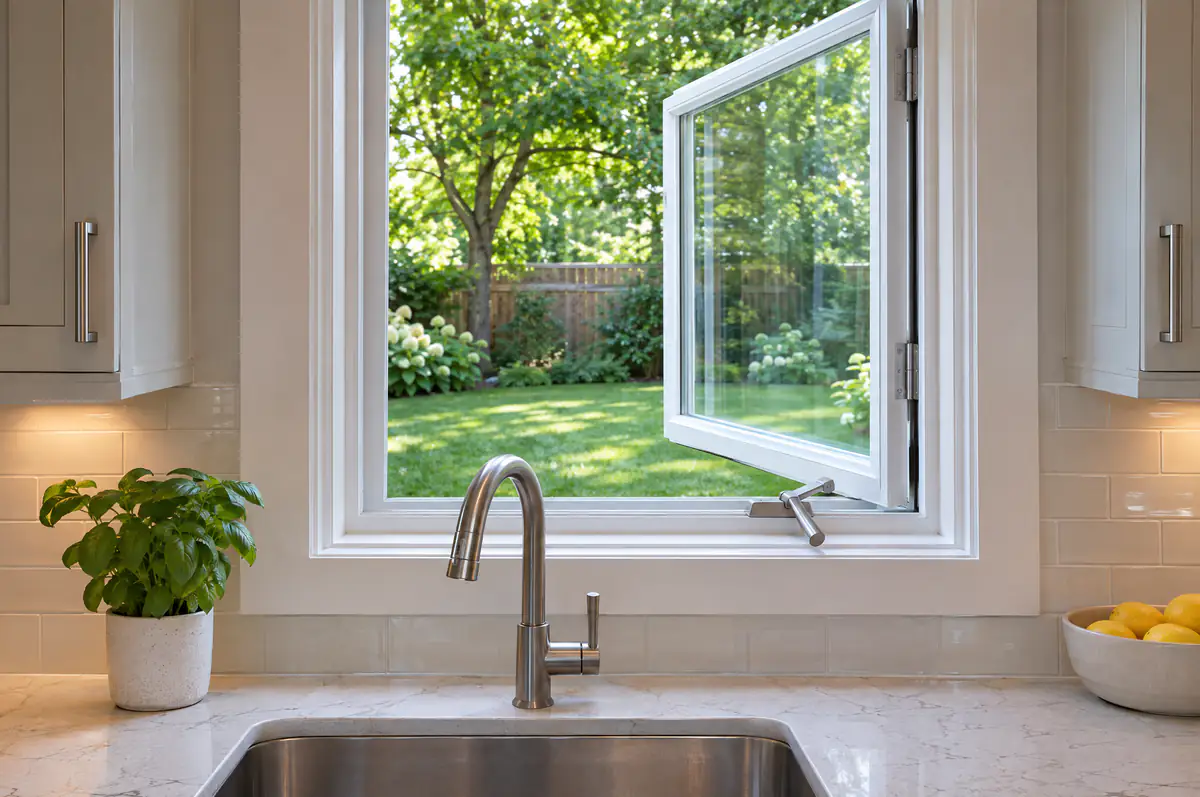
Casement windows are hinged at the side and open outward with a crank, which makes them easy to operate over a kitchen sink and tight-sealing when they close. A casement window opens through a short chain of parts: handle, gearbox, arm, track and hinges. When the crank spins, sticks or grinds, the trick is finding which link in that chain gave out.
How the parts work together
- The handle slides onto a splined (ridged) stud and is usually held with a small set screw.
- The operator is the gearbox under the handle, mounted on the sill inside the window. Its gears turn the handle’s rotation into the swing of the arm.
- The arm pushes the sash open. Some windows have a single arm that slides along a track on the bottom of the sash; others have two arms, or a split arm, that fasten to a bracket.
- The hinges along the top and bottom of the sash are usually multi-bar friction hinges that let the sash swing out and away from the frame.
- The lock is a separate lever, often on the side of the frame, that pulls the sash tight against the weatherstripping. Many casements have locking points along the side as well.
Lock & crank repair in Columbus, OH
Won’t lock, latch or crank? We replace the hardware.
Diagnose by symptom
The handle spins and nothing happens
Take the handle off (loosen the set screw if there is one) and look at the end of the stud and inside the handle.
- If the ridges inside the handle are worn smooth but the stud is fine, only the handle is stripped. A new handle matched to the stud fixes it.
- If you can grip the stud with pliers and the window opens, the gearbox is fine and the handle was the problem.
- If the stud turns and the arm doesn’t move, or it clicks and slips, the gears inside the operator are stripped. The operator needs to be replaced.
The crank turns, the arm moves, but the sash stays shut
The arm has come off the sash. On single-arm operators, the arm’s end slides in a track on the bottom of the sash and can pop out. On dual-arm types, a bracket or its screws may have pulled loose. The window may also simply be locked.
The crank is very hard to turn
- The lock or locking points are still engaged. Forcing the crank against a locked sash is one of the most common ways operators get stripped.
- The track and hinges are dirty or the old grease has hardened.
- The sash has sagged and drags on the frame, usually because a hinge is worn.
- In winter, ice can glue the sash to the frame. Let it thaw instead of cranking harder.
The window won’t close tight or the corner sticks out
Look at the hinges. Worn or bent hinges let the sash drop at the far corner, so it no longer meets the frame evenly and the lock can’t pull it in. Wind catching an open sash is a classic cause; a casement left open in a storm acts like a sail.
Grinding or a crank that turns in rough steps
The gears are wearing or a tooth is broken. Replacing the operator now is easier than after it fails with the window open.
Simple care that prevents most failures
- Unlock first, then crank. Every time.
- Clean the track and hinges a couple of times a year. Vacuum the grit out and wipe with a damp cloth.
- Lubricate sparingly with a dry or silicone-based lubricant on the hinge pivots and track. Heavy grease collects dirt.
- Close casements when you leave or when storms are coming.
- Stop cranking when the window is fully open. Pushing past the stop strains the arm and gears.
When a casement whistles in the wind
A casement seals by pressing its sash against weatherstripping all the way around the frame, so a draft usually means the sash isn’t being pulled in evenly. Check that every locking point engages; on windows with more than one, a single stuck point leaves a gap along part of the side. Look at the weatherstrip itself, which can flatten, tear or shrink with age, and at the far corner of the sash, which drops when hinges wear. Replacing the weatherstrip and the hinges often restores the seal without touching the glass or the frame.
Matching replacement parts
Casement hardware is made in many variations, and a near miss won’t fit. Details that have to match:
- Handing: whether the window opens to the left or right, seen from outside.
- Arm type and length: single, dual or split arm, and how far it reaches.
- The mounting pattern: the spacing of the screw holes and the shape of the operator’s base.
- The handle spline: its size and number of ridges.
- Hinge length and track style for hinge replacement.
Some window lines use proprietary operators, and parts for older or discontinued windows can take some tracking down. Photographs of the hardware and any labels on the frame help a lot.
When the hardware isn’t the real problem
If the sash itself is warped, the wood is soft at the bottom corner or the glass has fogged, a new operator won’t fix how the window performs. See wood window rot: repair or replace, fog between window panes, or our overview of casement windows if you are weighing a replacement.
Getting casements working again
Operators, arms, hinges, handles and locks are part of our lock and crank repair service. Before you call, note which way the sash opens and take a photo of the operator with the handle off; those two details narrow down the part. Call or text (614) 333-6302, or book online. A1 Windows serves homes within about 55 miles of Columbus, and you see the price before any work starts.
Frequently asked questions
Can I leave a casement open if the operator breaks while it is open?
It is better not to. An open casement is exposed to wind and rain. If the gears have failed, you can usually close it by disconnecting the arm from the sash and pulling the sash shut by hand, then locking it until the operator is replaced.
Do awning windows use the same crank parts?
Similar ones. Awning windows hinge at the top and open outward from the bottom, and their operators and hinges are made for that motion. They are not interchangeable with casement parts.
Can a crank casement be converted to a push-out style?
Some window lines offer push-out casements, but converting an existing crank window usually is not practical because the hinges, locks and sash hardware differ. That is normally a choice made when replacing the window.
Call or text · Columbus, OH
Need lock & crank repair?
(614) 333-6302- You see the price before work starts
- Columbus-based · 55-mile service area
More guides
All guides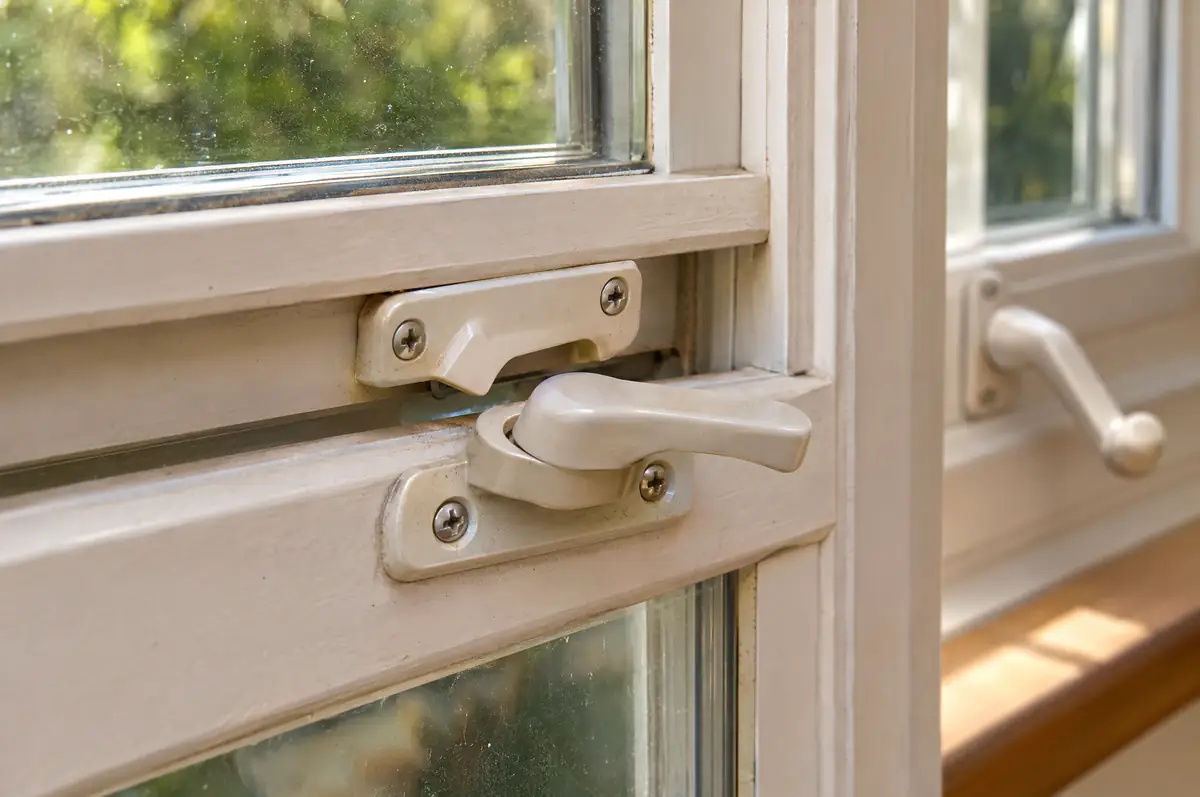
Window Lock Won’t Latch? Sash Locks and Keepers
A window lock is two pieces that have to meet: the lock itself and the keeper it hooks into. Most locks that won’t latch are perfectly good locks that can no longer reach their keeper.
Double-Hung, Casement or Sliding: Which Window for Which Room
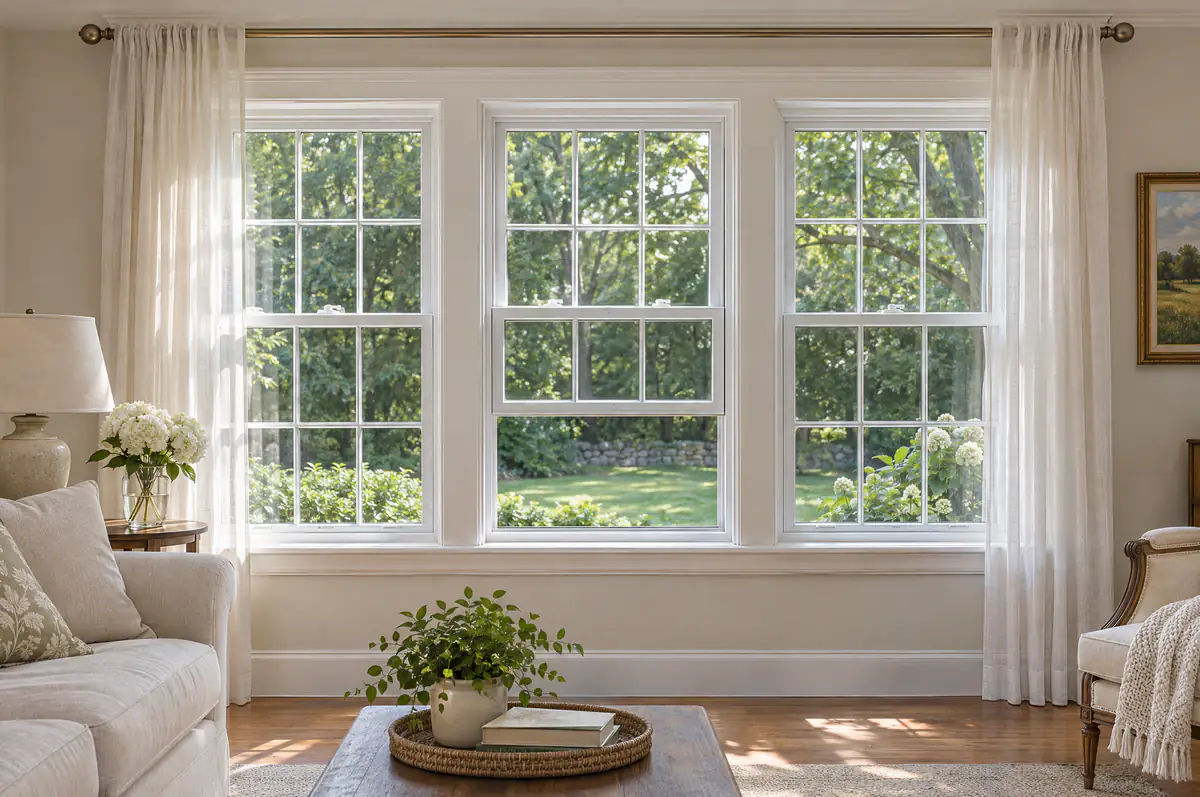
Window style is easy to treat as a matter of taste, but how a window opens decides how it ventilates, how well it seals, how easy it is to clean, and whether a bedroom window can serve as a way out in an emergency.
Why Your Double-Hung Window Won’t Stay Open
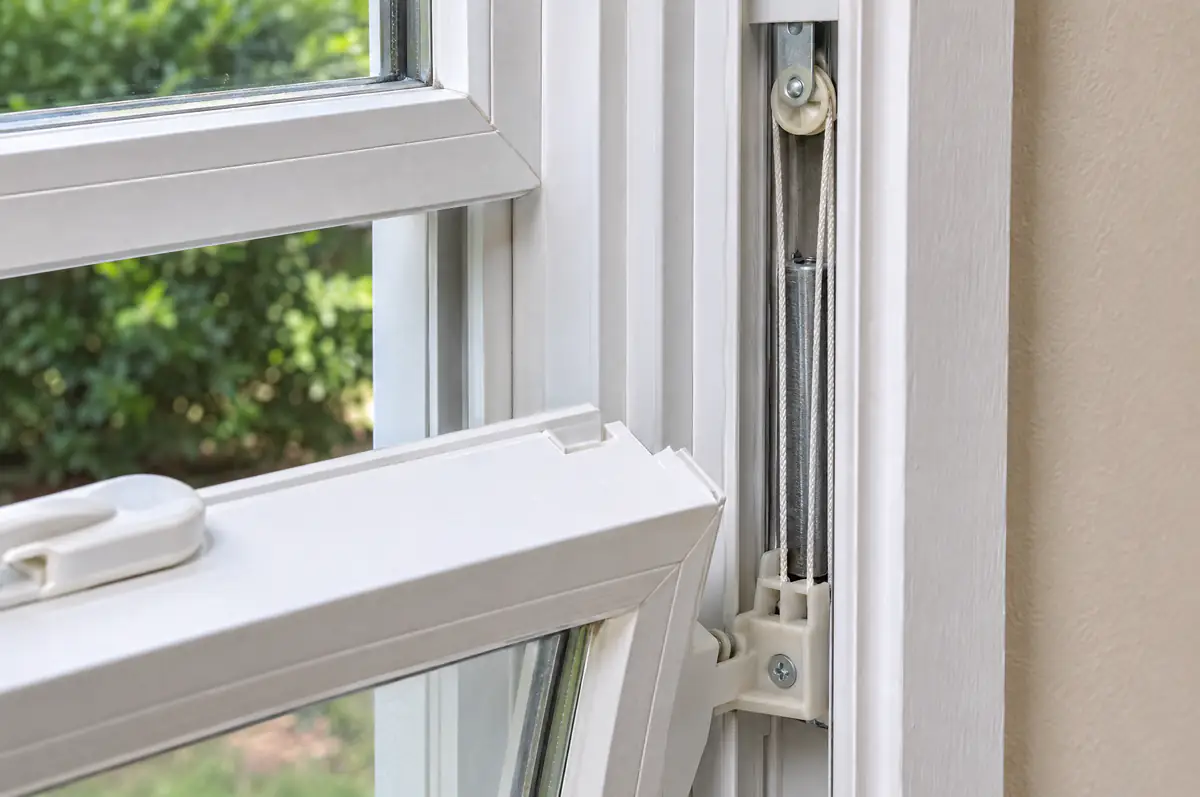
Every double-hung sash is held up by a balance, a counterweight or spring that offsets the weight of the sash. When a sash drops, drifts or slams, the balance is almost always the reason.