Homeowner guide · Double-hung windows
Double-Hung, Casement or Sliding: Which Window for Which Room
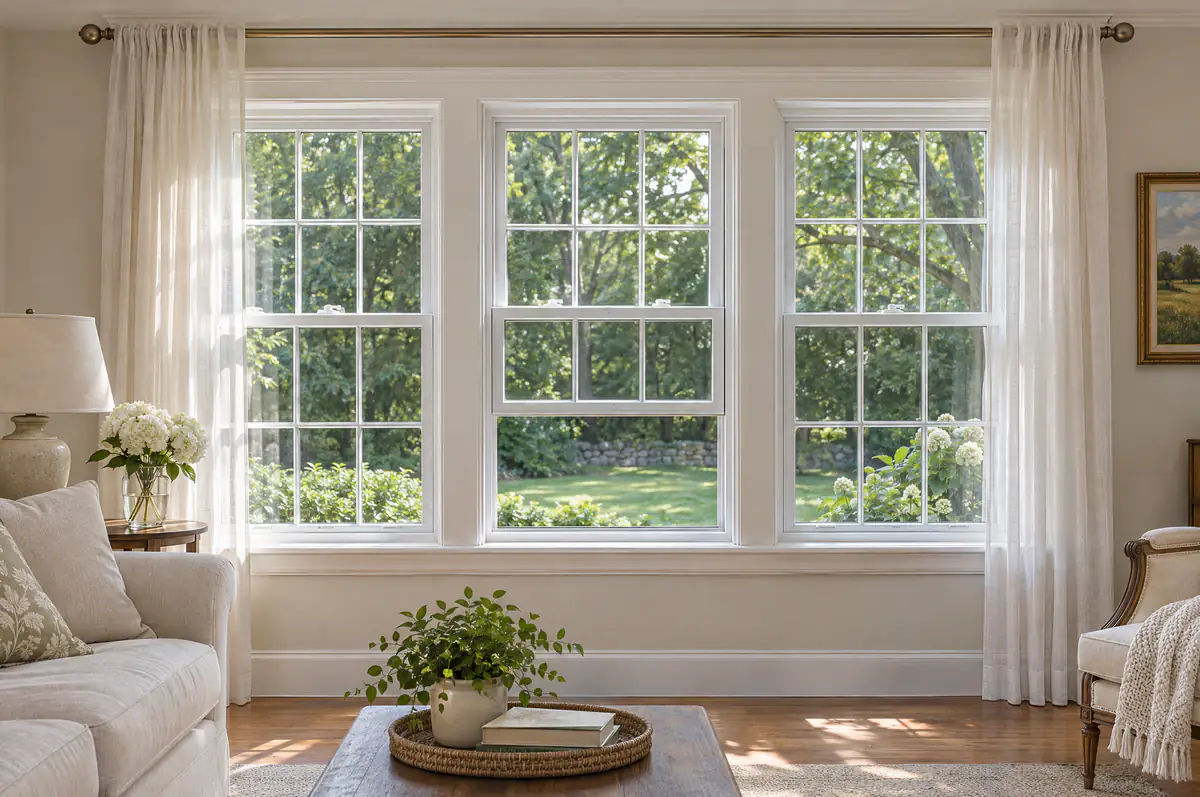
Window style is easy to treat as a matter of taste, but how a window opens decides how it ventilates, how well it seals, how easy it is to clean, and whether a bedroom window can serve as a way out in an emergency. A replacement project is the moment to fix a style that never suited its room.
How each style works
Double-hung
Two sashes slide up and down in the frame, and both move. A balance system on each side holds each sash where you leave it. Many modern double-hungs have tilt-in sashes so you can clean the outside glass from indoors. The style is traditional on many older Central Ohio homes, which matters on a house where the street-side look counts. See double-hung windows.
Casement
A single sash hinged on one side swings outward, usually with a crank. Closed, the sash presses against the weatherstripping on the frame, and the lock pulls it tight. Open, nearly the whole frame is clear, and an outswing sash can catch a passing breeze. See casement windows.
Sliding
One or both sashes slide sideways on a track. There are no cranks or balances, and the sash doesn’t project outside the house. Sliders suit wide, short openings. See sliding windows.
Double-hung windows in Columbus, OH
The classic two‑sash window, with tilt‑in cleaning.
Side-by-side
| Double-hung | Casement | Sliding | |
|---|---|---|---|
| Open area | About half the window | Nearly the whole window | About half the window |
| Air leakage | Higher | Lower | Higher |
| Ventilation | Top and bottom can open for airflow | Can scoop side breezes | Side to side |
| Cleaning | Easy with tilt-in sashes | Reach through the open sash | Sashes often lift out |
| Projects outside? | No | Yes, when open | No |
| Best opening shape | Taller than wide | Taller than wide, or a pair | Wider than tall |
On air leakage, the FTC’s consumer guidance is direct: single-hung, double-hung and sliding windows leak more air than casement, awning and hopper windows. That doesn’t make every double-hung drafty; a well-made one with good weatherstripping performs well. Compare the air leakage rating on the NFRC label.
The other operable styles
- Single-hung windows look like double-hungs, but only the bottom sash moves.
- Awning windows are hinged at the top and swing outward from the bottom. Because the open sash shields the opening from above, they can often stay open in light rain.
- Hopper windows are hinged at the bottom and tilt inward from the top. They’re common in basements.
Like casements, awning and hopper windows close by pressing the sash against the frame, which is why the FTC groups them with casements as the styles that leak less air.
Room by room
Kitchen, over the sink
Reaching across a counter to push up a double-hung sash is awkward. A casement’s crank sits at the sill, within reach, which is why casements are a common choice over sinks. A slider also works if the opening is wide.
Bedrooms
Every sleeping room needs an escape opening under the Residential Code of Ohio: a net clear opening of at least 5.7 square feet (5 square feet for grade-floor or below-grade openings), at least 24 inches high and 20 inches wide, with a sill no more than 44 inches above the floor. Because a casement opens nearly fully, it can meet those numbers in a smaller unit than a double-hung or slider.
When you replace an existing bedroom window, the RCO exempts it from the area and sill-height rules if it’s the manufacturer’s largest standard size that fits the existing frame or rough opening and is the same style or one with an equal or greater opening. Switching a narrow double-hung to a casement is one way to gain opening in the same hole. More in our egress guide.
Children’s rooms on upper floors
In the Residential Code of Ohio, window fall-prevention devices and opening-limiting devices are regulated when they’re provided. Fall-prevention devices and window guards must meet ASTM F2090. Opening-limiting devices must stop a 4-inch sphere from passing through the opening, must release for emergency escape without keys, tools or special knowledge, with no more than 15 pounds of force, and must not shrink a required escape opening below the code minimum. Many current windows offer these devices as options; ask about them for upper-floor rooms.
Bathrooms
Glass in walls facing a tub or shower is treated as a hazardous location requiring safety glazing when its bottom edge is less than 60 inches above the standing surface, unless it’s more than 60 inches horizontally from the water’s edge. Privacy glass and good ventilation matter too; a casement or an awning-style window high on the wall handles both.
Living and dining rooms
Large openings often pair a fixed picture window with operable windows on either side, casements or double-hungs, for the view plus ventilation. Large panes close to the floor and near a walking surface can also trigger the code’s safety-glazing rules.
Basements
Low, wide basement openings suit sliders and hopper or awning windows. If the basement room will be a bedroom, the window must meet egress rules, and a casement or a wide slider in a proper well is usually the route.
Next to a porch, deck or walkway
An outswing casement can project into a path or bump into a porch railing. Sliders and double-hungs stay within the wall.
Keeping the house’s character
On older homes, the original style is part of the look. Swapping street-facing double-hungs for casements changes the façade, and in a Columbus local historic district that kind of exterior change goes to the district’s commission for a Certificate of Appropriateness. If you’re in a district, check with the commission’s staff before choosing a style.
Choosing for your house
A1 Windows looks at each room before recommending a style, and you see the price before any work starts. Call or text (614) 333-6302 or book online, or read about window replacement.
Frequently asked questions
Are casement windows harder to maintain than double-hungs?
What is the difference between single-hung and double-hung?
In a single-hung window only the bottom sash moves; the top sash is fixed. In a double-hung both sashes move, so you can open the top for ventilation and, on many models, tilt both sashes in for cleaning.
Can screens be used with casement windows?
Yes. Because a casement swings outward, its screen mounts on the inside of the frame, and the crank works through it. Double-hung and sliding windows use exterior screens.
Call or text · Columbus, OH
Need double-hung windows?
(614) 333-6302- We measure before we quote
- Columbus-based · 55-mile service area
More guides
All guides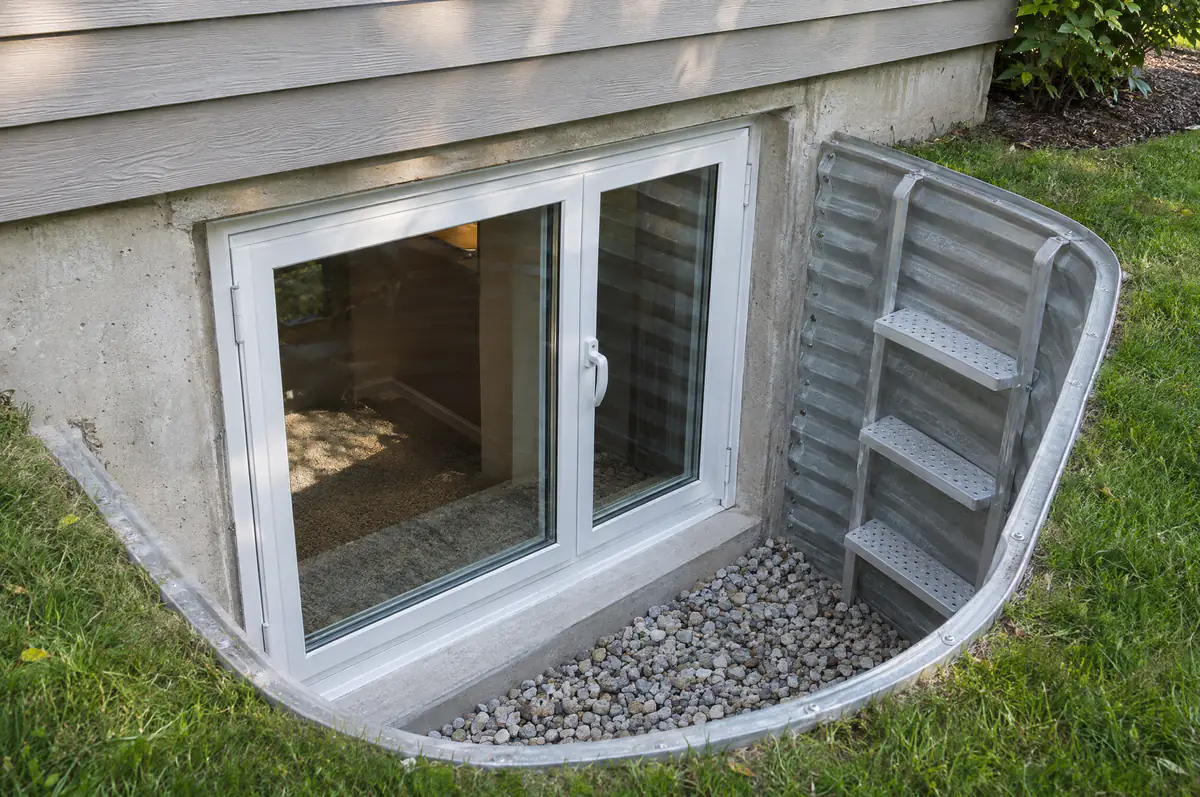
Basement Egress Windows in Ohio: What the Code Requires
If you’re turning part of a basement into a bedroom, the window is not a finishing detail. Under the Residential Code of Ohio, every sleeping room needs a way out that doesn’t depend on the stairs, and the rules for that opening are specific.
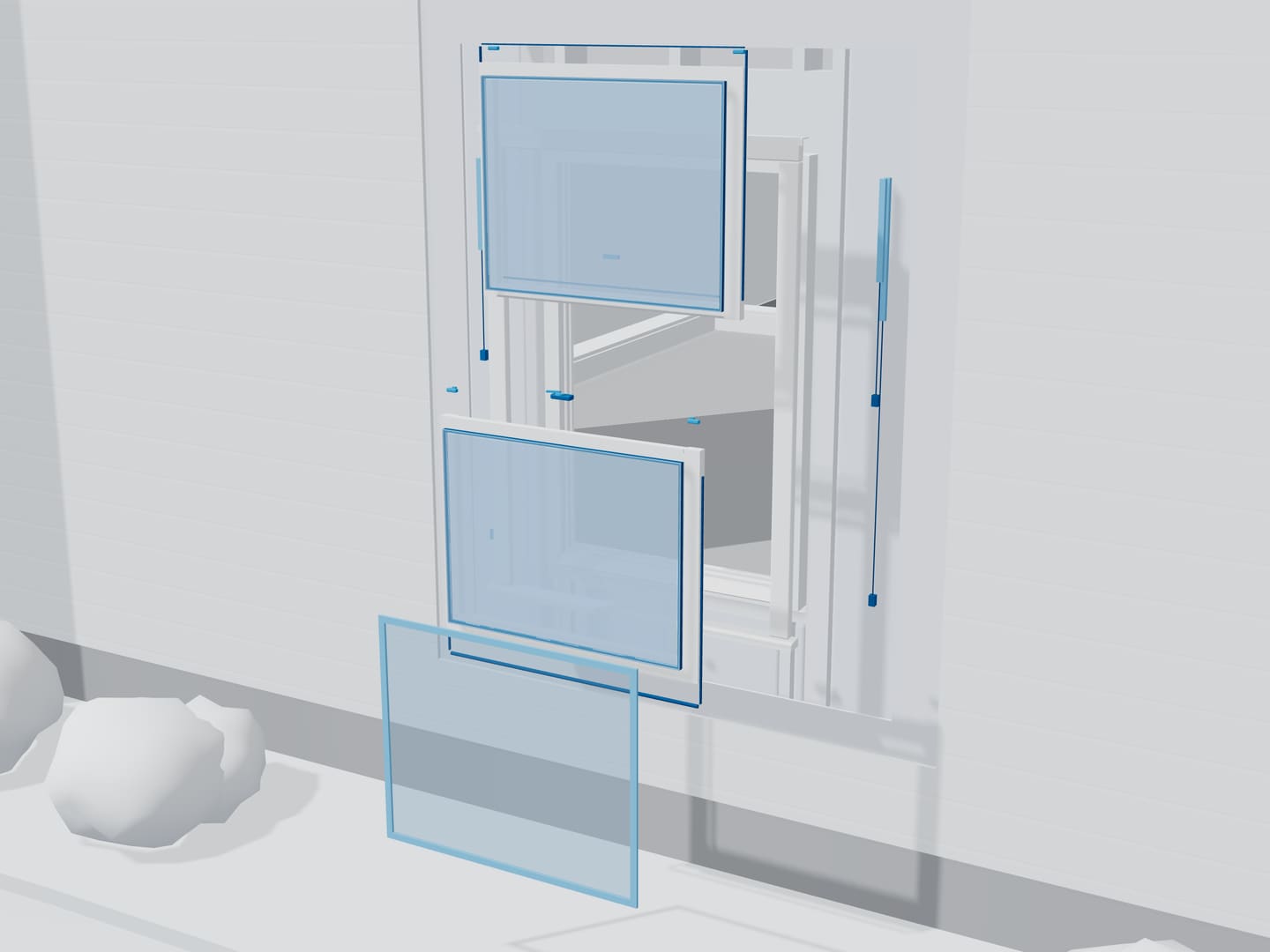
Insert vs. Full-Frame Window Replacement: How to Choose
Every replacement window goes in one of two ways. An insert, sometimes called a pocket replacement, slides a new window unit into the existing frame after the old sashes come out, while a full-frame replacement removes everything down to the rough opening.
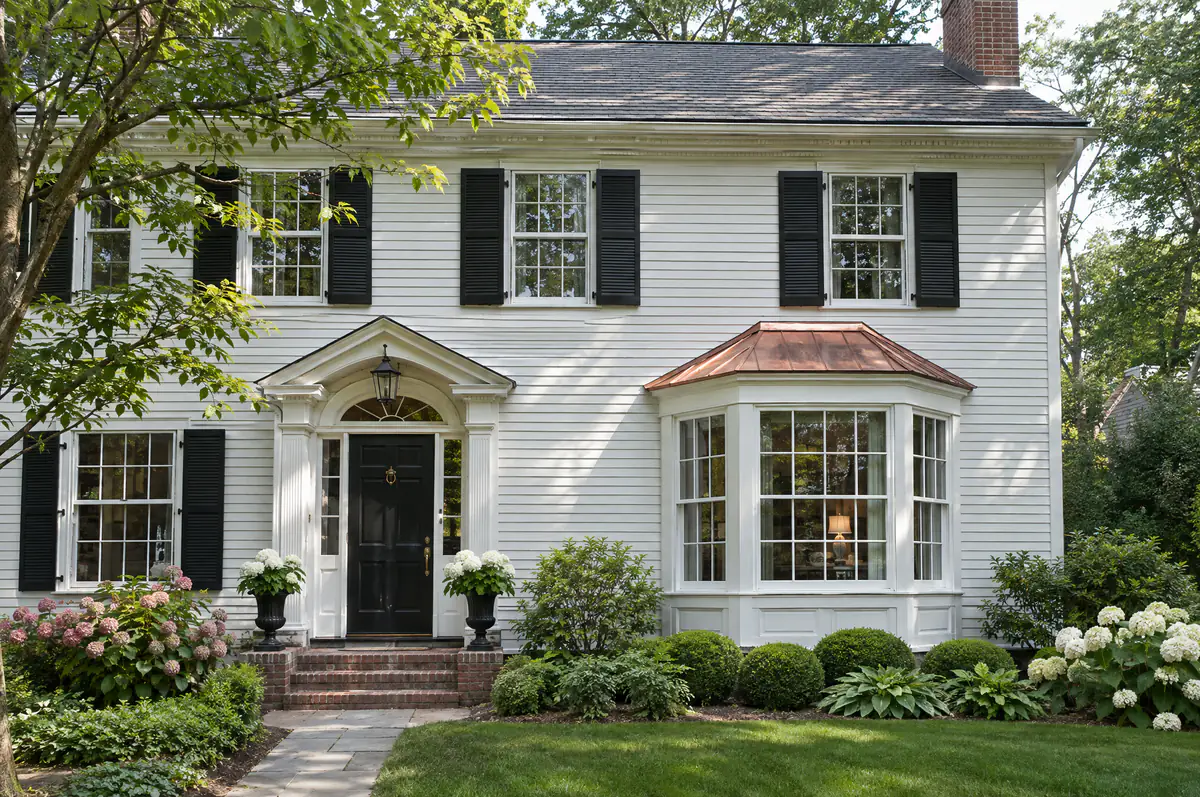
Bay vs. Bow Windows: Differences, Structure and Support
Bay and bow windows both push out past the wall of the house, adding light, a deeper sill and a bit of floor space. The difference is in the shape, and the shape changes how much the window projects and how it has to be supported.