Homeowner guide · Wood window repair
Rotted Wood Windows: Repair, Rebuild or Replace?
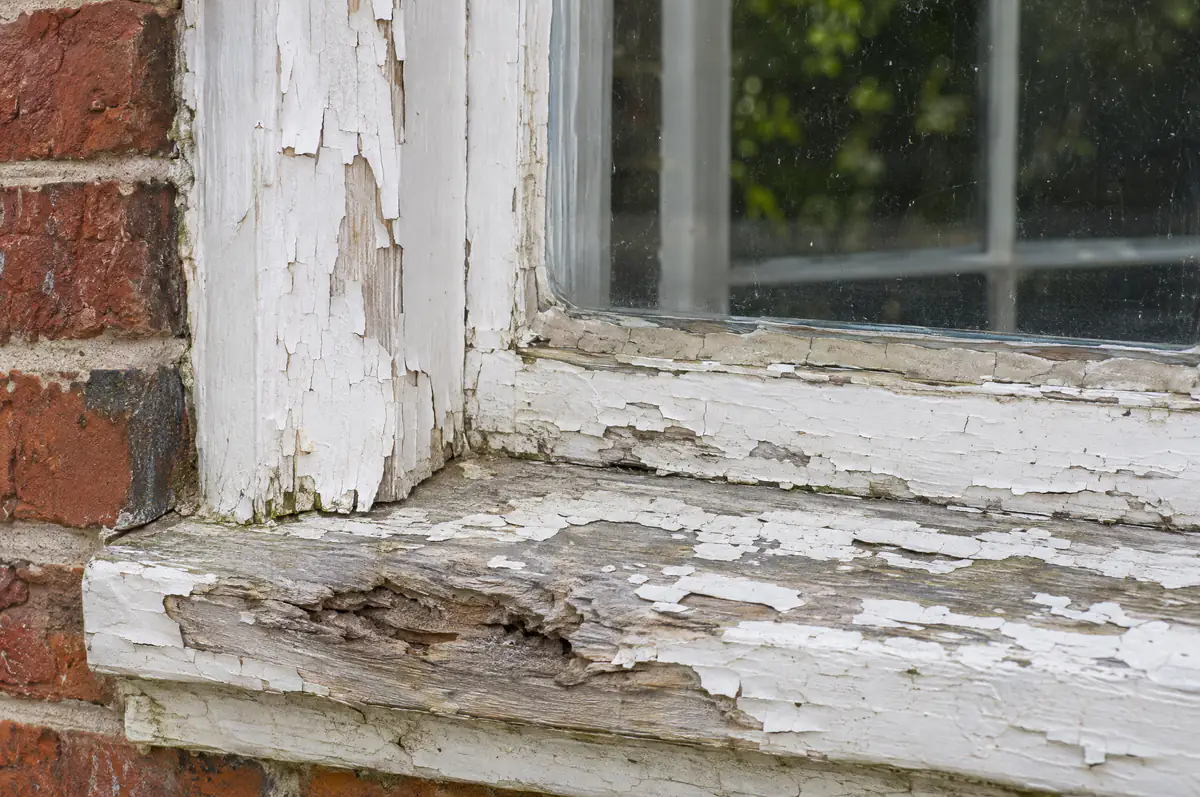
A screwdriver sinks into the sill. Paint flakes off the bottom of the sash and the wood underneath is gray and stringy. It is easy to assume the window is finished. Often it isn’t. Rot in a wood window almost always starts in the same few places, and it almost always comes from water that was allowed to sit. Finding how far it has gone is the first step toward deciding what to do.
Where rot starts
The National Park Service’s technical guide to repairing wood windows (Preservation Brief 9) names moisture as the main cause of decay and points to the same trouble spots every time:
- The sill, especially where it is flat or slopes back toward the house.
- The joints between the sill and the side jambs.
- The bottom corners of the sash, where the bottom rail meets the stiles.
- Muntin joints, where the small bars between panes meet.
Water runs down the glass, collects where something stops it and soaks into end grain at the joints. Years of opening and closing loosen those joints a little, which lets in more water. Cracked or missing glazing putty is a major entry point.
Wood window repair in Columbus, OH
Soft sills or rotting sashes? Repair what’s sound.
How bad is it? Test, don’t guess
Peeling paint marks where water has been, but it doesn’t prove the wood underneath is bad. Wood is often sound under ugly paint. Two simple tests from the same NPS guide:
- The pry test. Push an awl or ice pick into the wood at an angle and pry up a sliver. Sound wood comes up in long, fibrous splinters. Decayed wood breaks off in short, crumbly pieces.
- The probe test. Push a sharp tool straight in. Rot that started on a hidden face can leave a thin, sound-looking skin over a soft core, and the probe will sink through. This is especially useful on the underside of sills.
Map what you find: which windows, which parts, how deep. That record turns a vague worry into a clear scope of work.
The repair ladder
Preservation Brief 9 sorts wood window work into three classes, each more involved than the last. It is a useful way to think about any wood window.
Level 1: Maintenance
Loose paint is removed, failed putty is replaced, minor frame issues are fixed, weatherstripping is added, and the window is repainted, with the paint lapping slightly onto the glass over the putty to seal the joint. Many “rotten” windows turn out to need little more than this. In a home built before 1978, the old paint may contain lead, so scraping or sanding it is work for someone who follows EPA lead-safe practices, not a weekend job.
Level 2: Stabilizing damaged wood
For wood that is partly decayed but still mostly there, epoxy is the modern workhorse:
- The wood is dried out and the softest material removed.
- A thin epoxy consolidant is brushed or injected into the remaining fibers, where it soaks in and hardens them.
- An epoxy filler rebuilds the missing shape. Profiles can be copied from a sound section.
- The repair is sanded, primed and painted, with flat surfaces sloped to shed water.
The NPS guide says epoxies hold the promise of being among the most durable and long-lasting materials available for wood repair. Their weak point is that the wood around them has to stay dry; epoxy can’t make up for a sill that still holds water.
Level 3: Dutchman repairs and new parts
When a section is too far gone to stabilize, the decayed wood is cut out and replaced with new wood:
- A Dutchman is a patch of matching wood shaped to fit the cut-out area and glued in, with the grain running the same way as the original. It keeps most of the original piece, and because the patch is wood, it swells and shrinks with the wood around it.
- A spliced or replaced part goes further: a new sill, a new bottom rail or new muntins milled to match, joined into the existing frame or sash.
Epoxy and new wood both have their place. The choice depends on how much sound original material is left, how much of it is worth keeping, and whether the damaged area is a surface that sheds water or a joint that has to carry load.
When replacing makes more sense
- Most of the window is decayed, not just the sill and bottom rail.
- The rough opening behind it is wet or damaged, meaning water has been getting into the wall.
- The window has been altered badly over the years and repairs would only restore a poor design.
- You want something the old window can’t do, such as tilt-in cleaning or a larger egress opening.
There is also a middle route: keep the frame and replace the sash with a new one built to fit. The NPS guide suggests it when so many parts need replacing that the repair becomes prohibitively expensive.
On efficiency, the same guide makes a point many homeowners don’t expect: a wood window in good repair with a quality storm window added should outperform a double-glazed metal window without a thermal break. Repair is not automatically the less efficient choice.
Lead paint in older homes
If your house was built before 1978, assume the window paint may contain lead until tested. Under the EPA’s Renovation, Repair and Painting rule, firms paid to disturb painted surfaces in those homes must be certified and follow lead-safe work practices, unless the job stays under small limits (6 square feet per room inside or 20 square feet outside). Window replacement is never treated as a small job under that rule. Homeowners working on their own homes generally aren’t covered by the rule, but the EPA still recommends lead-safe habits for do-it-yourselfers: contain the area, mist surfaces before sanding or scraping, use only a low-temperature heat gun if you use one at all, and clean up with a HEPA vacuum and wet wiping. Ask anyone you hire how they handle it.
Preventing the next round
- Keep putty and paint intact. Small cracks let in a lot of water over a winter.
- Caulk the joint where the sill meets the jamb.
- Make sure sills slope away from the house; build them up if they don’t.
- Control indoor humidity so condensation doesn’t run down onto the inside of the sill. See winter condensation on windows.
- Consider exterior storm windows; they shield the wood from rain and add insulation.
Help with wood windows around Columbus
If your home is in one of Columbus’s historic districts, repairs come first and replacements go through review; see windows in Columbus historic districts. Our wood window repair page describes the work we do on sills, sash, glazing and cords, and sash and balance repair covers windows that won’t stay up.
If you have already probed the sills and made notes, have them handy. Call or text (614) 333-6302, or book online. A1 Windows, at 1221 Stimmel Rd in Columbus, works on homes within about 55 miles; we test the wood ourselves before recommending repair or replacement, and you see the price before any work starts.
Frequently asked questions
Can I just fill rotten wood with regular wood filler?
Ordinary wood filler on top of soft wood tends to crack and fall out because the wood under it keeps moving and decaying. Remove the decayed wood, consolidate what is left and use a filler made for exterior structural repairs.
Is vinyl capping over a rotted sill a fix?
Covering a rotted sill with metal or vinyl hides the problem and can trap water against the wood, which speeds up decay. Repair or replace the sill first, then decide about cladding.
Do I need to remove the sash to repair rot?
For sash repairs, usually yes; it is far easier to work on a sash on a bench. Frame and sill repairs are often done in place.
What time of year is best for wood window repair?
Epoxy and paint cure most reliably in mild, dry weather, so late spring through early fall is ideal for exterior work. Sash can be repaired indoors in a shop at any time of year while the opening is temporarily covered.
Call or text · Columbus, OH
Need wood window repair?
(614) 333-6302- You see the price before work starts
- Columbus-based · 55-mile service area
More guides
All guides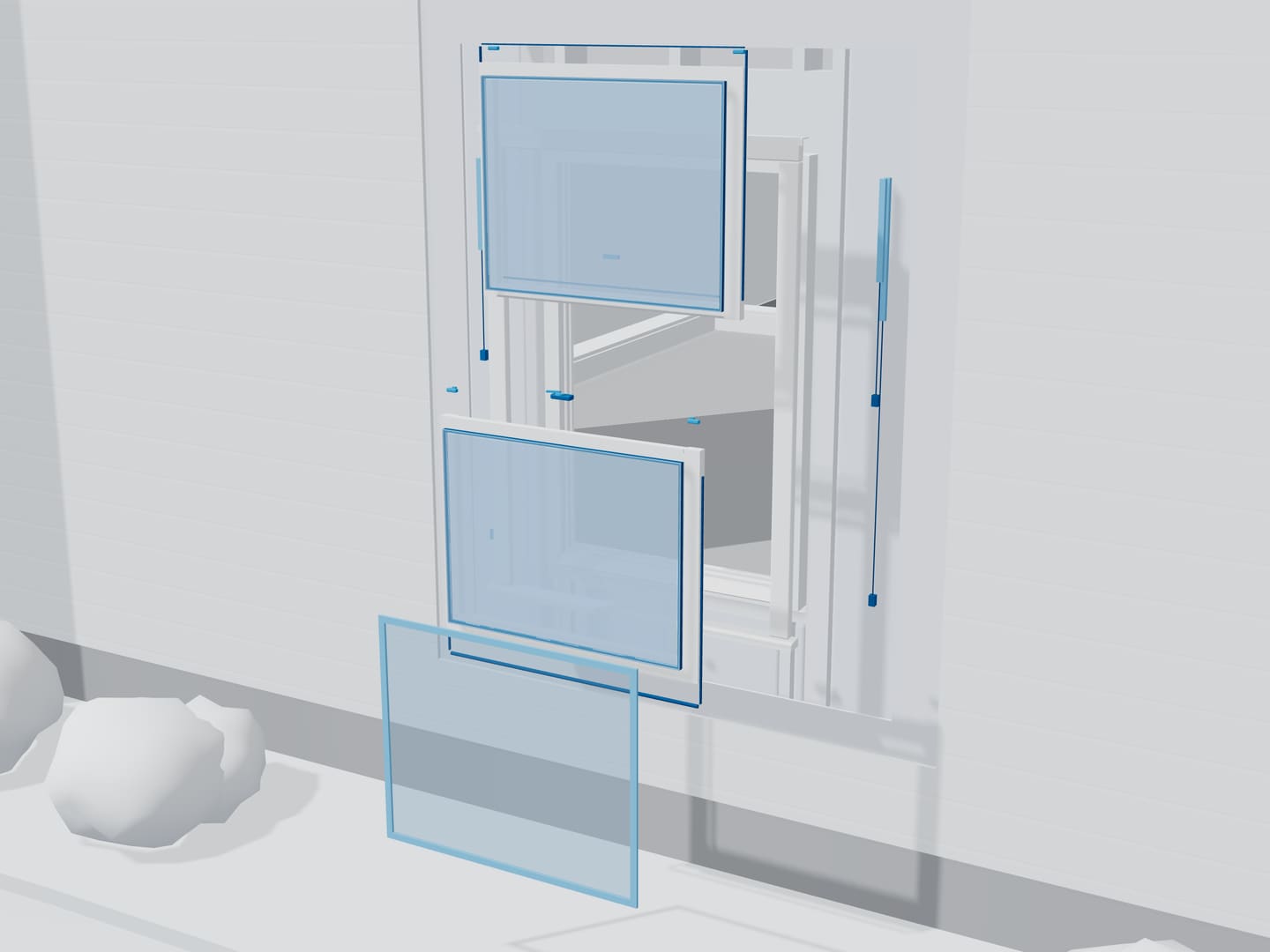
Windows in Columbus Historic Districts: How Repair-First Works
If your house is in one of Columbus’s historic districts, changes to the outside of it, windows included, go through the city’s historic review process. The process favors keeping and repairing original windows, but it also has a clear path to replacement when repair is no longer practical.

Foggy Insulated Glass: Replace the Unit or the Whole Window?
If the frame and sash are sound, a new sealed glass unit gives you clear glass again without disturbing the trim, siding or plaster around the window. The decision gets harder when other parts of the window are wearing out too.
Winter Condensation on the Inside of Your Windows
Water on the room side of the glass in winter is a sign that the air in the house holds more moisture than the coldest surface in the room can handle. Most of the time the fix starts with the air, not the window.