Homeowner guide · Sash & balance repair
Why Your Double-Hung Window Won’t Stay Open
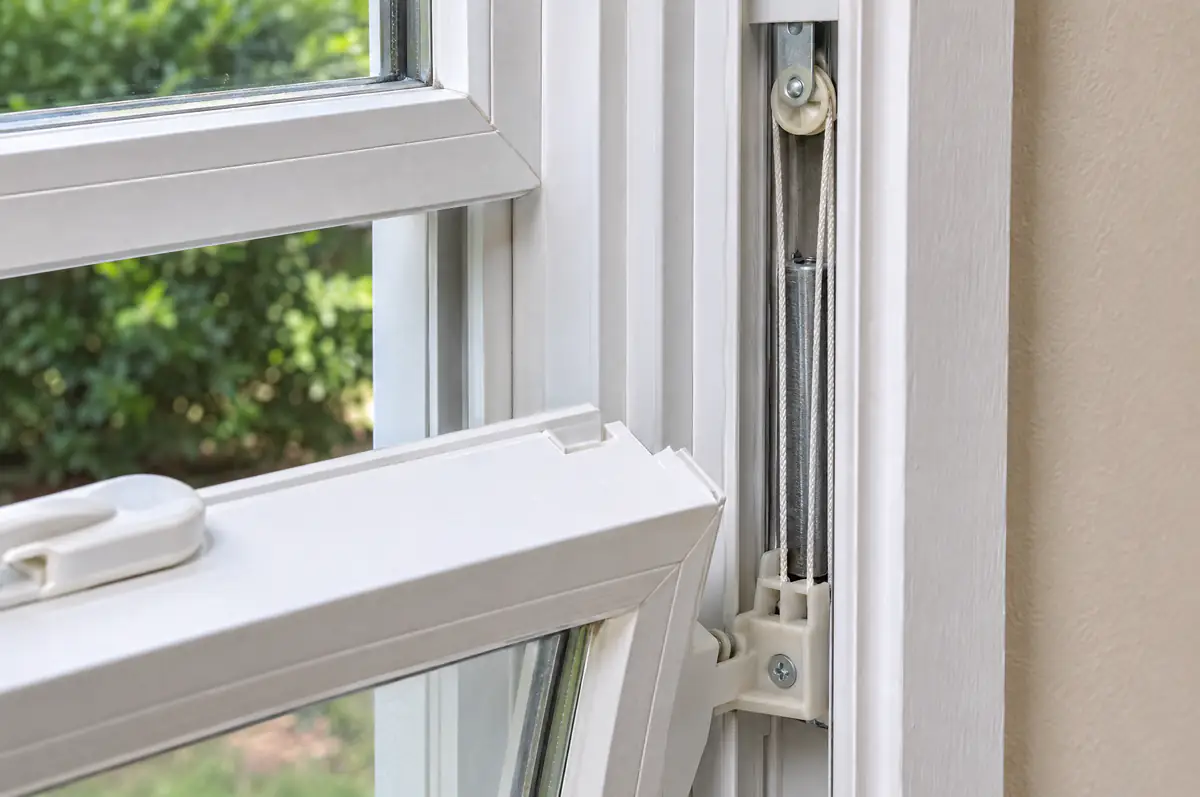
You lift the bottom sash to let in some air, let go, and it slides back down. Or it creeps down an inch at a time. Or the top sash has dropped and won’t stay closed. Every double-hung sash is held up by a balance, a counterweight or spring that offsets the weight of the sash. When a sash drops, drifts or slams, the balance is almost always the reason.
The fix depends on which kind of balance your window has, so start by identifying it.
The four kinds of balance
Sash cords and weights
Where you find them: traditional wood windows, common in older houses.
How to spot them: a small pulley set into each side of the frame near the top, with a cord or chain running into it from the sash. Behind the side of the frame is a hollow pocket where a cast iron or lead weight hangs from each cord.
How they fail: cords fray and snap, often after years of paint and sun. The weight drops to the bottom of the pocket and that side of the sash has no support. Pulleys can also be painted solid.
Spiral balances
Where you find them: many wood, vinyl and aluminum windows, including plenty of older replacement windows.
How to spot them: a tube, roughly the diameter of a finger, in the side channel of the frame. Inside is a spring and a twisted rod that connects to the bottom of the sash.
How they fail: the spring loses tension or the rod disconnects from its mounting. The sash still moves but no longer stays put.
Block-and-tackle balances
Where you find them: very common in vinyl and aluminum double-hung windows.
How to spot them: a long metal or plastic channel in each side of the frame, hiding a spring and a set of pulleys with a cord running through them.
How they fail: the cord breaks, the spring fatigues or the shoe at the bottom (the part the sash pivots in) cracks or comes out of position.
Constant-force coil balances
Where you find them: newer, compact window designs.
How to spot them: a flat coil of stainless steel, like a heavy tape measure, mounted in a pocket near the top of each side of the frame, with its end clipped to the sash or a shoe.
How they fail: the coil weakens or the clip and shoe come apart.
Sash & balance repair in Columbus, OH
Sash drops, sticks or won’t stay up? New balances.
Five-minute checks before you call
- Is the sash seated in its shoes? Tilt-in windows ride on pivot pins at the bottom corners that sit in sliding shoes. If a pin has popped out after cleaning, the sash won’t be supported. With the sash tilted in, the shoes should be level with each other and the pins should drop into them.
- Is it one side or both? A sash that sits crooked, drops on one side or binds usually has one failed balance.
- Is anything rubbing? Paint, swollen wood or debris in the side channels can fight the balance. If the sash is hard to lift as well as falling, friction is part of the story.
- Can you see a broken cord? On cord-and-weight windows, a cord hanging loose from the pulley, or no cord at all, answers the question.
- Read the label. Many spiral and channel balances have a stamped or printed code on them. It helps whoever orders the replacement match length and strength.
A warning about springs
Spiral, block-and-tackle and coil balances all store spring tension. A spiral balance released carelessly can spin hard enough to hurt a wrist, and a channel balance can snap its shoe up the channel. Upper sashes are heavy and can fall when their balances are disconnected. If you aren’t comfortable working with stored tension, leave the balance in place and prop the sash instead.
Living with it until the repair
- Cut a piece of wood to length and stand it on the sill to hold the sash open. Remove it before closing.
- Don’t leave a sash with failed balances open when no one is home. It can drop suddenly, especially in wind.
- Keep children’s hands away from a sash that drops. A falling bottom sash can pinch fingers hard.
- If the top sash has slid down, push it up and lock the window; the lock usually holds both sashes together.
What the repair involves
Spring balances
Spiral, block-and-tackle and coil balances are replaced rather than repaired. The new ones are matched to the window by length, type and the weight of the sash. It usually makes sense to replace both sides of a sash together so it rides evenly. On tilt windows, worn or cracked shoes are replaced at the same time.
Cords and weights
Old-style balances are wonderfully simple to service. The sash is removed from the frame, the access panel in the weight pocket is opened (or the trim removed where there is no panel), and new cord, or chain where preferred, is tied to the weight and fixed to the sash. The National Park Service’s guidance on repairing wood windows notes that sash weights can even be increased to make a window easier to operate for someone who finds it hard to lift. While the sash is out, it is a natural time to free painted pulleys, fix loose joints, reglaze and add weatherstripping; see wood window rot: repair or replace.
When a balance problem is really something else
- A sash that won’t stay up and also won’t lock may have a top sash that has dropped. Fix the balance and the lock often lines up again. See why a window won’t lock.
- A sash that sticks part-way usually has paint or swollen wood in the channels, not a balance failure.
- A vinyl window whose side jambs bow inward can pinch the sash; that is a frame or installation issue.
Getting it fixed in the Columbus area
Balance repair is one of the most common jobs on double-hung windows, and it usually saves a window that has years of life left. Read more on our sash and balance repair page and our overview of double-hung windows.
If you can, note which sash drops and snap a photo of any label in the side channel; it helps us bring the right balance. Call or text (614) 333-6302, or book online. A1 Windows is a Columbus company serving homes within about 55 miles, and you see the price before any work starts.
Frequently asked questions
Can I buy a replacement balance at a hardware store?
Sometimes, for common spiral or channel sizes. The catch is matching length and strength to your sash. A balance that is too weak won’t hold the sash, and one that is too strong will keep pushing it up.
Should old sash cords be replaced with chain?
Either works. Cotton or synthetic sash cord is traditional and quiet. Chain lasts longer and suits heavy sash. In a historic home, cord keeps the original look.
Why does my window stay up in summer but not in winter?
Wood and vinyl change size with temperature and humidity. In summer a swollen sash rubs enough to hold itself up even with a weak balance. When it shrinks in dry winter air, the weak balance shows.
Call or text · Columbus, OH
Need sash & balance repair?
(614) 333-6302- You see the price before work starts
- Columbus-based · 55-mile service area
More guides
All guides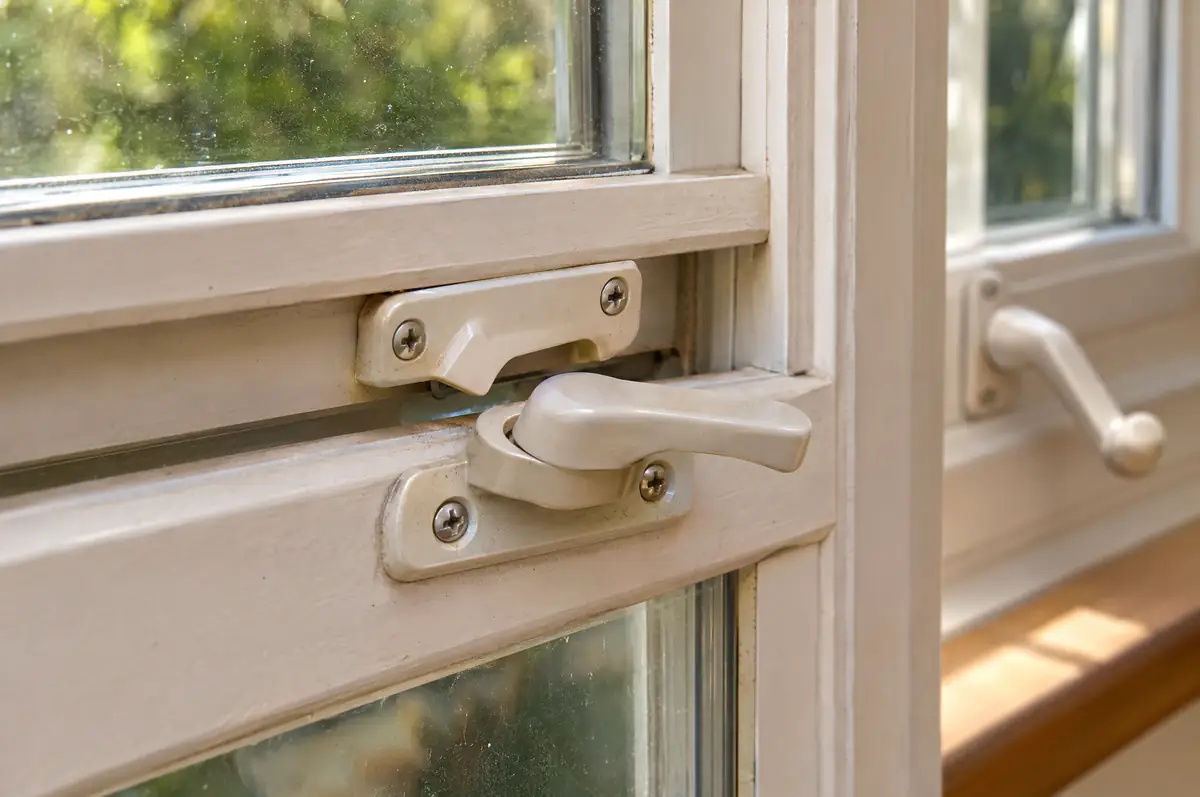
Window Lock Won’t Latch? Sash Locks and Keepers
A window lock is two pieces that have to meet: the lock itself and the keeper it hooks into. Most locks that won’t latch are perfectly good locks that can no longer reach their keeper.
Casement Crank Spinning or Stuck? Operators and Hinges
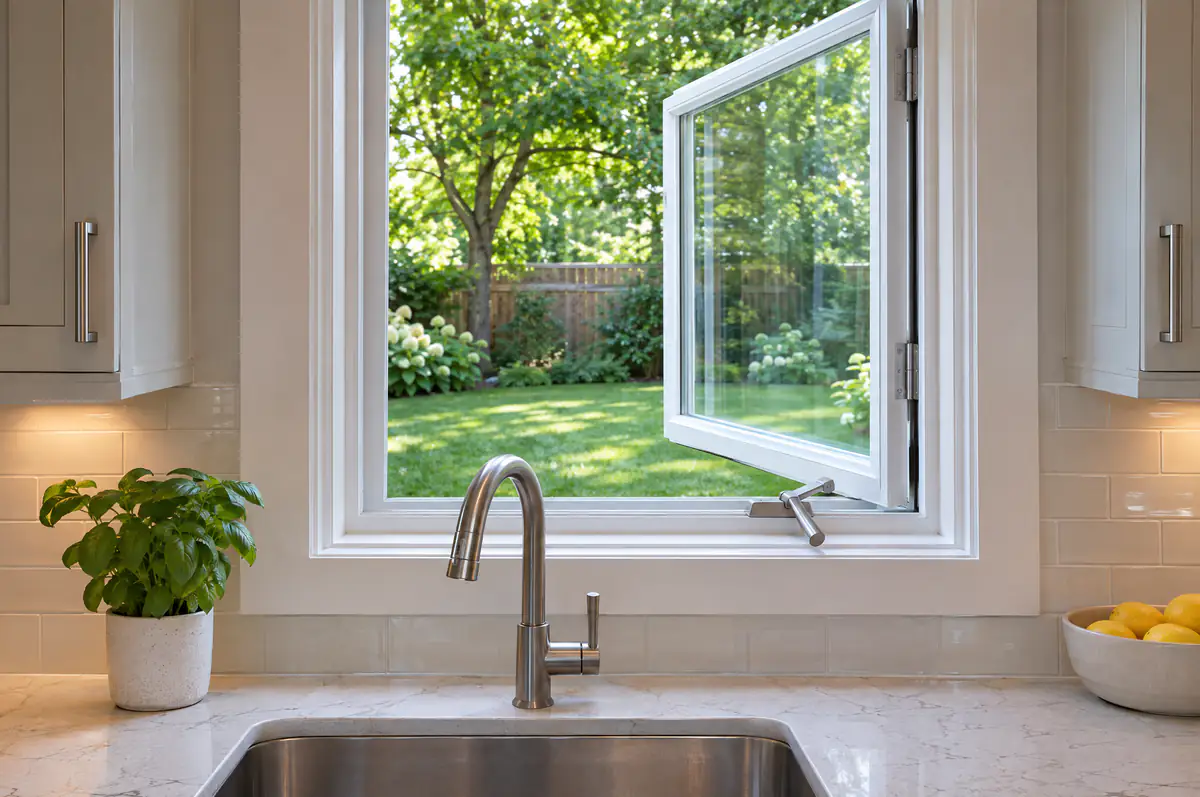
A casement window opens through a short chain of parts: handle, gearbox, arm, track and hinges. When the crank spins, sticks or grinds, the trick is finding which link in that chain gave out.
Choosing Window Screen Mesh: Fiberglass, Aluminum, Pet and Solar
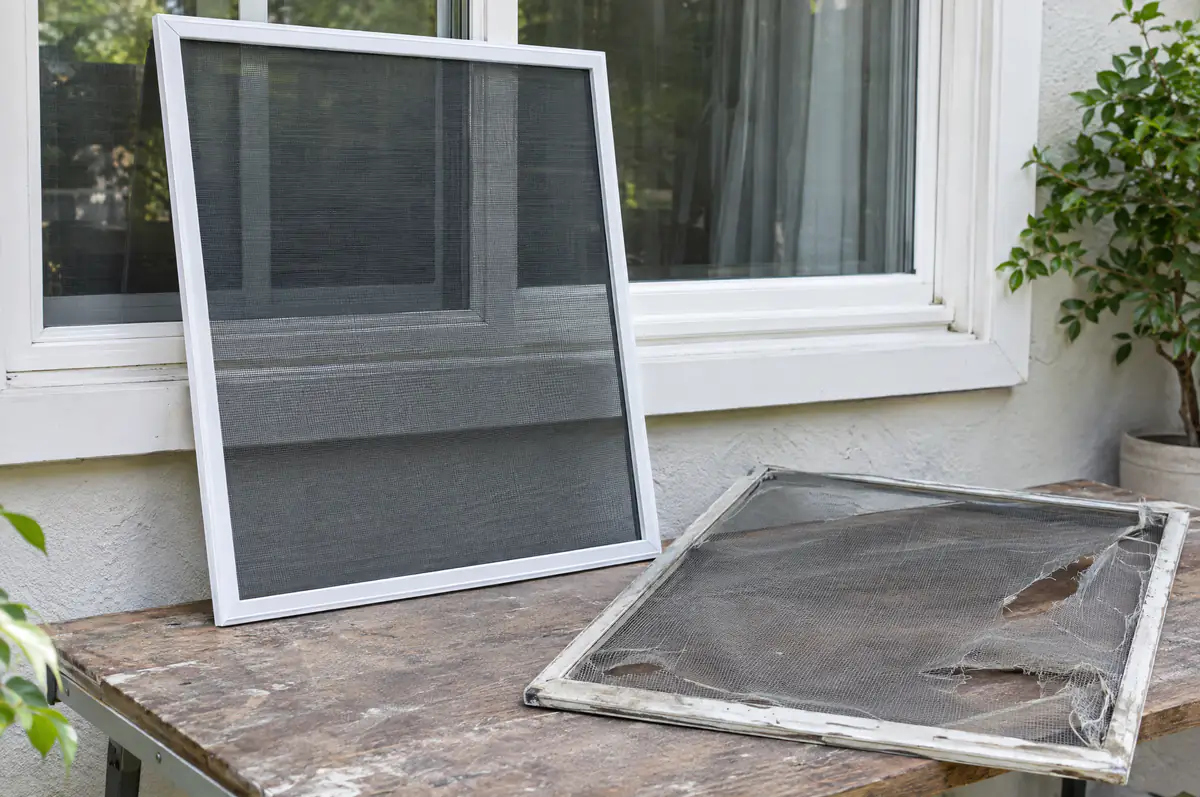
Screen mesh is not one product. Fiberglass, aluminum, pet-resistant and solar screens look, wear and perform differently, and the right choice depends on the window, who uses the room and which way it faces.