Homeowner guide · Lock & crank repair
Window Lock Won’t Latch? Sash Locks and Keepers
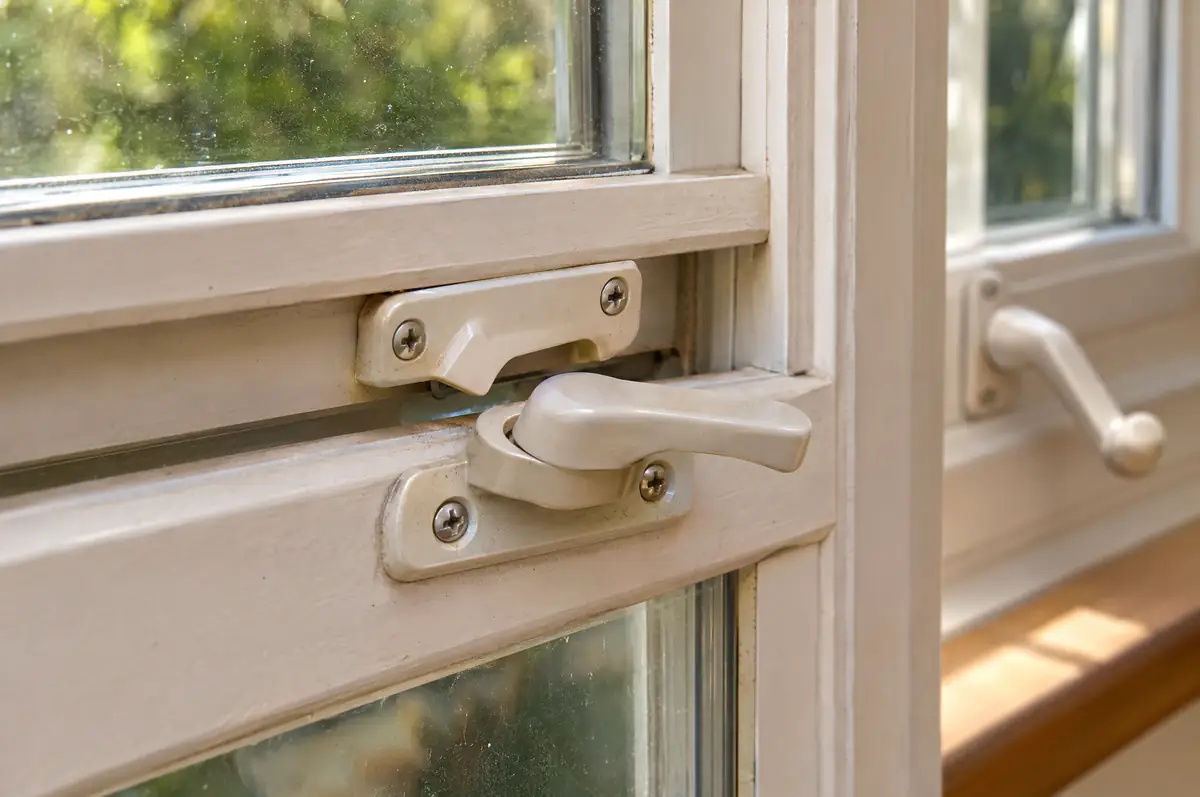
You turn the lever and it spins past the catch, or it stops halfway and won’t go further, or it won’t move at all. A window lock is two pieces that have to meet: the lock itself and the keeper it hooks into. Most locks that won’t latch are perfectly good locks that can no longer reach their keeper.
That matters because the fix is often an adjustment, not new hardware.
Know the parts
On a double-hung window, the lock is mounted on top of the lower sash’s top rail, where the two sashes meet. It has a curved cam or a hooked latch that swings into a keeper screwed to the upper sash. Turning the lock does two jobs: it stops the sashes from sliding, and it pulls the meeting rails tight against each other so the weatherstripping seals.
Two other parts are easy to confuse with the lock:
- Tilt latches are the small sliding buttons at the top corners of a tilt-in sash. They let the sash tilt into the room for cleaning. They don’t lock the window.
- Casement and awning locks are levers on the side of the frame that pull a hook or a set of points against the sash. If you have a casement, see casement crank problems as well.
Lock & crank repair in Columbus, OH
Won’t lock, latch or crank? We replace the hardware.
Find out why it won’t latch
Step 1: Look at the meeting rails
Close the window and look at where the two sashes meet. The top of the lower sash and the bottom of the upper sash should line up evenly.
- The upper sash has slid down an inch or more. This is the most common cause. Its balances can no longer hold it up, so the keeper sits too low for the lock to reach. Push the upper sash up and try the lock. If it works while you hold the sash, the real repair is the balance; see why a double-hung window won’t stay open.
- The lower sash isn’t closing all the way. Debris in the sill track, a bead of dried paint, a swollen bottom rail or a bent weatherstrip can hold it up just enough that the lock’s cam lands above the keeper.
Step 2: Wiggle the hardware
Grip the lock and then the keeper and try to move them. Screws in old wood strip out of their holes, and screws in vinyl can pull through thin walls. A loose keeper slides out of the way when the cam pushes against it.
Step 3: Look at the lock itself
Cams can crack, springs inside can break, and older locks can be painted solid. If the lever turns freely with nothing happening, or won’t turn even with the window open, the lock has failed.
Step 4: Check the frame
Houses settle. If a window frame has gone out of square, the sashes may meet at a slight angle, so the lock catches at one end of its swing and not the other. Gaps that are wider at one side of the meeting rail point to this.
Fixes, from simple to involved
- Clean the tracks and remove paint or debris so the lower sash closes fully.
- Tighten the screws. In wood, a stripped hole can be repaired by gluing in wooden toothpicks or a small dowel, letting it dry, trimming it flush and re-driving the screw. Avoid simply using longer screws; they can reach glass or the sash joint.
- Adjust the keeper. Many keepers have slotted holes for exactly this reason. Moving the keeper slightly, or shimming it, brings it back into reach of the cam.
- Repair the balance if the upper sash keeps dropping.
- Replace the lock and keeper if either is broken. The new lock needs to match the screw spacing, the height of the sash rails and, on many vinyl windows, a specific style made for that window. Bring the old one, or a photo with a ruler next to it, when shopping.
Why a working lock matters beyond security
A lock that pulls the sashes together keeps the window tighter. The National Park Service’s guidance on repairing historic wood windows points out that sash locks on the meeting rail keep the sash closed tightly, so the weatherstripping works better against air leaks. A window that can’t be locked is usually a drafty window too.
A word on extra security devices
Sash locks keep a window closed against casual attempts, not a determined break-in. Many homeowners add secondary devices, such as pin locks or sash stops that let the window open only a few inches. Before adding any of them, think about which windows are a way out in a fire. The residential code requires bedroom emergency escape windows to open from inside without keys or tools, so keyed locks and screwed-shut sashes don’t belong on those windows. For basement bedrooms, see our egress windows page.
When to call
If the lock still won’t catch after the tracks are clean and the screws are tight, or the window is hard to close, the problem is usually the balance, a worn sash or a part that needs replacing. Our lock and crank repair service covers sash locks, keepers, tilt latches and casement locks, and our window repair page covers the rest of the window.
A photo of the lock and keeper with a ruler beside them speeds things up. Send it when you call or text (614) 333-6302, or book online. A1 Windows, at 1221 Stimmel Rd in Columbus, serves communities within about 55 miles; we check how the sashes meet before quoting, and you see the price before any work starts.
Frequently asked questions
My window locks, but there is still a draft. Why?
The lock may be engaging without pulling the sashes together, often because the keeper has shifted or the weatherstripping is worn or missing. Adjusting the keeper and replacing weatherstripping usually tightens it up.
Can old brass window locks be reused?
Often, yes. Paint can be stripped from old hardware and the parts cleaned and lubricated. If a cam or spring is broken, a reproduction lock with the same screw spacing keeps the look.
Is it safe to paint over a window lock?
No. Paint gums up the mechanism and glues the screws in place. Remove the lock and keeper before painting the sash, or mask them carefully.
My tilt-in sash falls into the room when I unlock it. Is that the lock?
That usually points to the tilt latches at the top corners of the sash, not the lock. If a tilt latch is broken or stuck retracted, the top of the sash is not held in the frame. Replacing the tilt latches fixes it.
Call or text · Columbus, OH
Need lock & crank repair?
(614) 333-6302- You see the price before work starts
- Columbus-based · 55-mile service area
More guides
All guides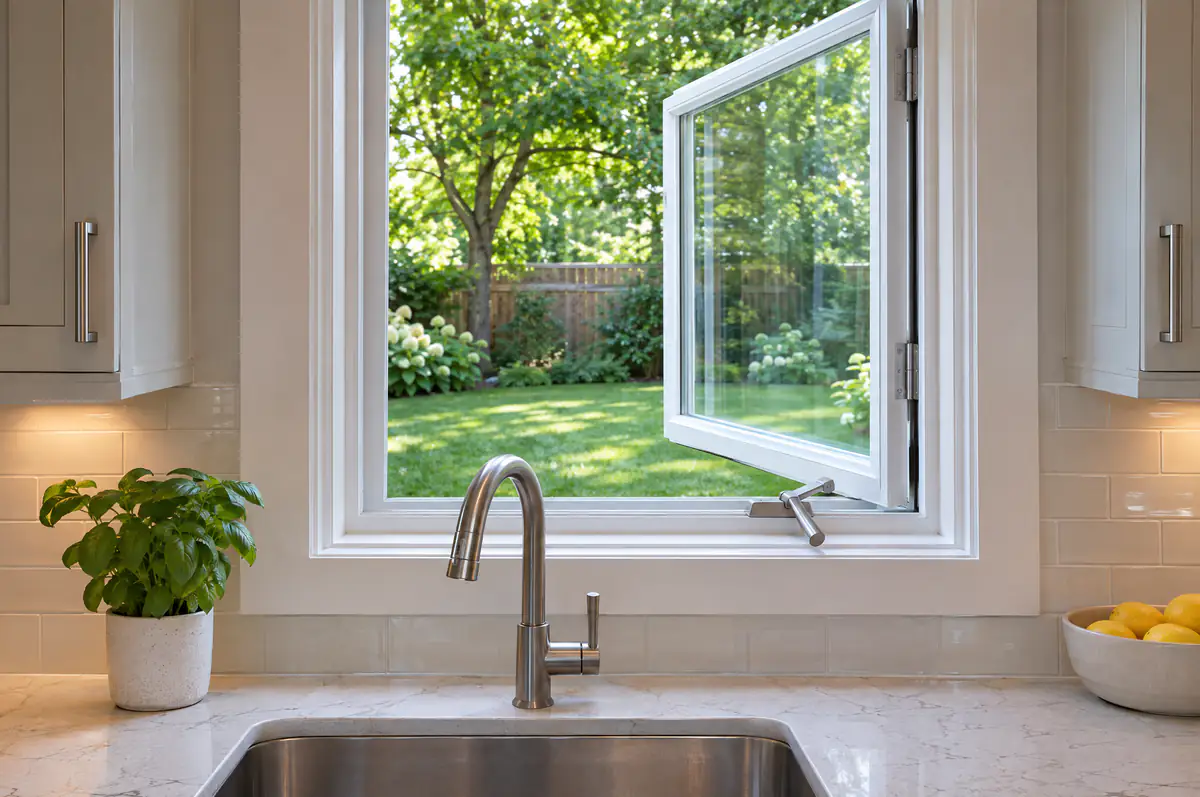
Casement Crank Spinning or Stuck? Operators and Hinges
A casement window opens through a short chain of parts: handle, gearbox, arm, track and hinges. When the crank spins, sticks or grinds, the trick is finding which link in that chain gave out.
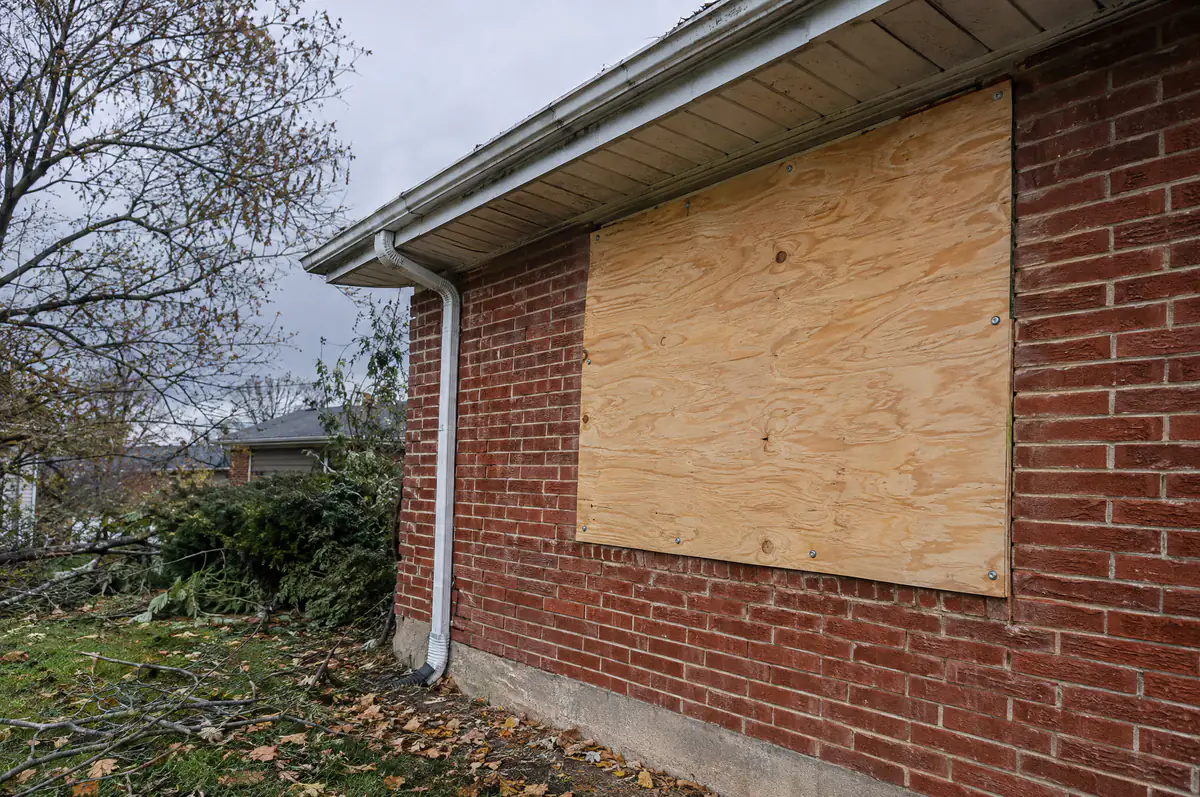
After a Storm or Break-In: Securing and Documenting Window Damage
After a storm or a break-in, the order of operations matters: safety, documentation, protection, then repair. Getting the first three right makes the last one, and any insurance claim, much smoother.
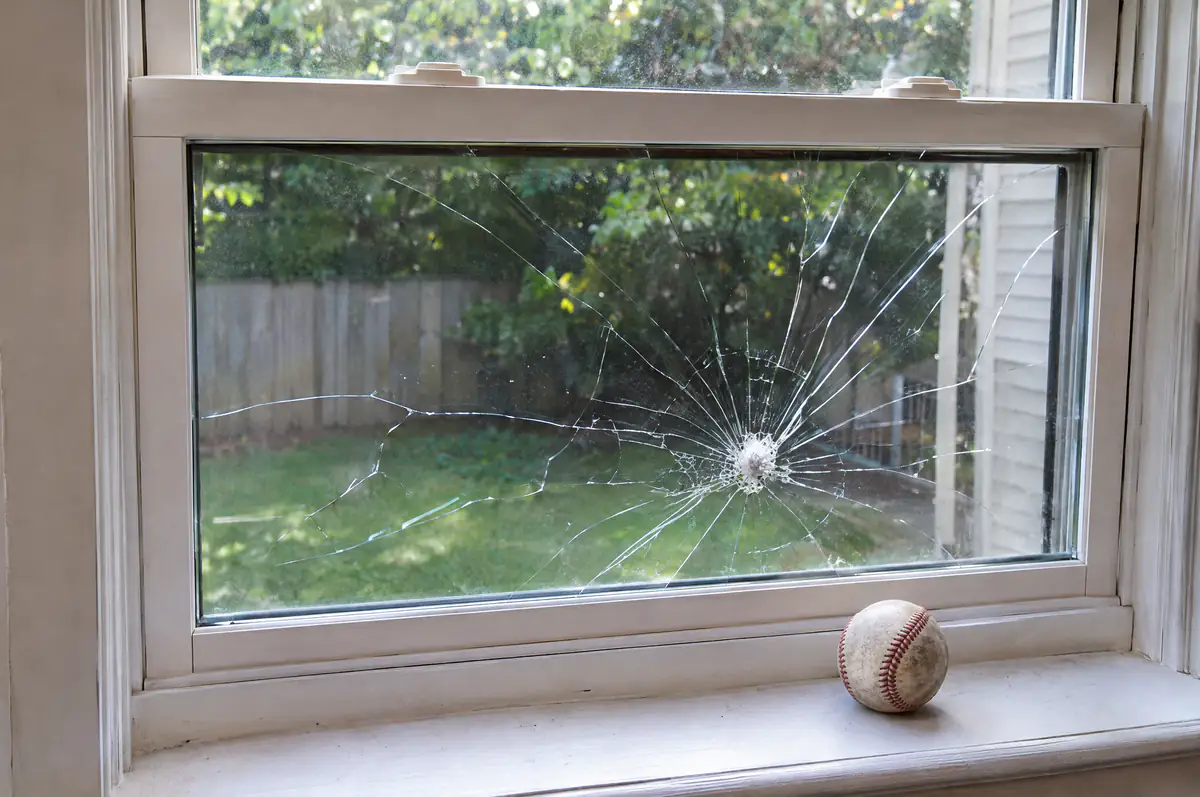
A Window Just Broke: What to Do in the First Hour
Broken glass is a safety problem before it is a repair problem. Deal with people, pets and loose shards first; the window can wait a few minutes.