Homeowner guide · Window screens
Choosing Window Screen Mesh: Fiberglass, Aluminum, Pet and Solar
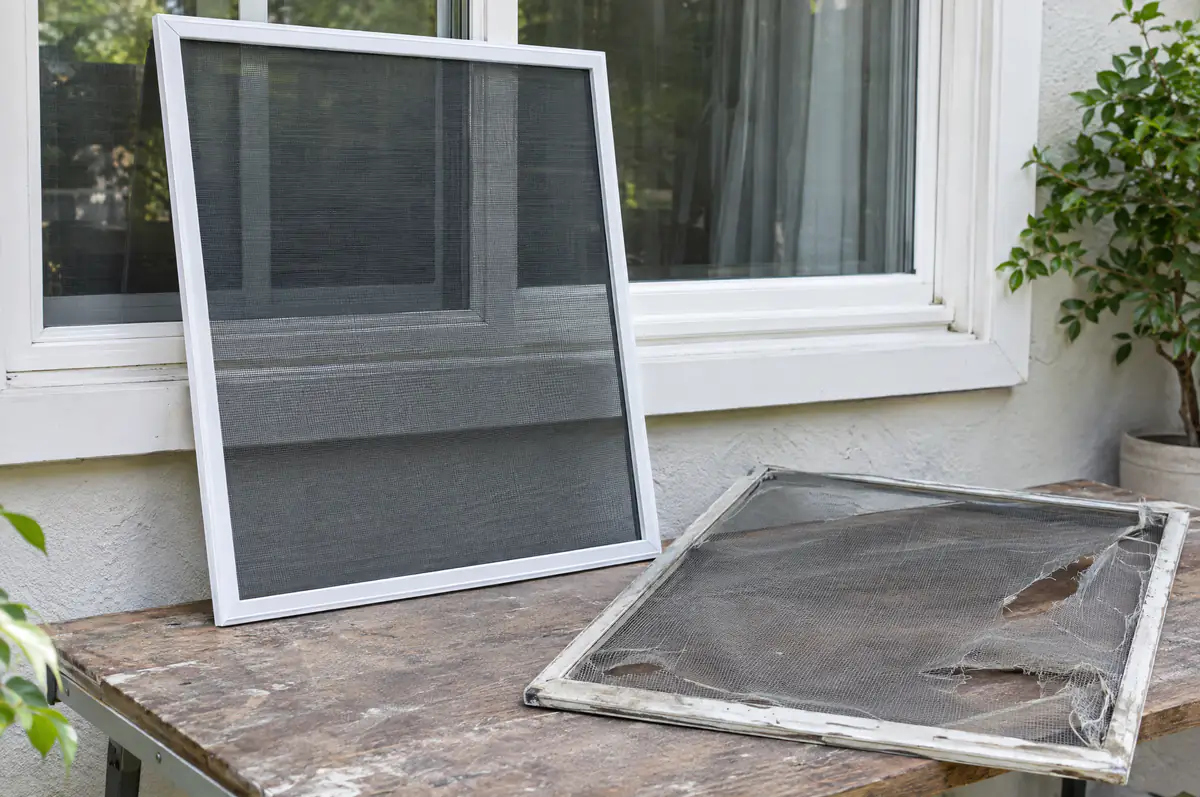
Torn screens are one of the first things homeowners notice each spring, when the windows finally go up and the bugs come in. Screen mesh is not one product. Fiberglass, aluminum, pet-resistant and solar screens look, wear and perform differently, and the right choice depends on the window, who uses the room and which way it faces.
The main mesh types
| Mesh | Strengths | Trade-offs | Good fit |
|---|---|---|---|
| Standard fiberglass | Flexible, doesn’t dent or corrode, easy to work with, low glare in charcoal | Tears more easily than metal; can stretch if pushed | Most windows in most homes |
| Aluminum | Stiffer and more puncture-resistant than fiberglass; holds a crisp, flat look | Dents and creases; can oxidize over time; more glare in bright finishes | Windows where a tight, flat screen matters; replacing original metal screens |
| Pet-resistant | Heavy vinyl-coated polyester that stands up to claws and paws | Thicker strands reduce the view and some airflow | Low windows, doors and any window a dog or cat uses as a lookout |
| Solar screen | Dense weave blocks a large share of the sun’s heat before it reaches the glass; reduces glare and fading | Darker view; cuts winter sun you might want; reduces airflow | West- and south-facing windows that overheat in summer |
| Fine or “no-see-um” mesh | Tighter weave stops very small insects | Noticeably less airflow | Rooms near wooded areas or water |
Window screens in Columbus, OH
Torn, bent or missing screens, rescreened or made new.
Fiberglass: the default for good reason
Most screens on modern windows are fiberglass. It springs back from small bumps instead of denting, and it doesn’t rust or oxidize. Charcoal is the most common color because it is easiest to see through; a dark screen reflects less light, so the view looks clearer. Its weak point is punctures: a pet’s claw or a careless elbow goes through it more easily than through metal.
Aluminum: crisp and tougher against punctures
Aluminum mesh was the standard for decades and is still a good choice where you want a stiff, flat screen. It resists tears better but takes a dent from a bump that fiberglass would shrug off, and a dented area stays dented. Older homes with original metal screens often get aluminum again to keep the look consistent.
Pet-resistant: when the dog is the problem
Pet screen is much heavier than standard mesh, made of vinyl-coated polyester strands that hold up to scratching and pushing. Use it where it is needed, on low windows and patio doors, rather than across the whole house; the thicker strands make the view a little dimmer and slow the breeze.
Solar screens: think about Ohio winters
Solar screens are woven densely to absorb and block sunlight on the outside of the glass, which is the most effective place to stop heat gain. They can make a real difference on a west-facing room that bakes every summer afternoon.
The catch in a climate like central Ohio’s is winter. A screen that blocks the July sun also blocks the January sun, and in a house that spends months heating, that free winter warmth is worth keeping. Whatever a solar screen saves on cooling, it can give back in heating if it stays up all year. The practical takeaway for Columbus homes:
- Use solar screens where summer heat is the real problem, typically west and south windows.
- Choose removable frames and take them off for the heating season, or swap in standard screens.
- Look for products rated by the Attachments Energy Rating Council (AERC), which publishes independent energy ratings for window attachments.
Screens differ by window type
- Double-hung windows usually take a half screen on the outside covering the bottom sash, or a full screen that covers both.
- Sliders have a screen on the outside of the operable half, held in a track.
- Casement and awning windows open outward, so their screens go on the inside, often held by clips or a retractable roll.
- Screen doors and sliding patio doors run on rollers; a hard-to-slide screen door usually needs new rollers, not new mesh.
Rescreen or replace the frame?
If the frame is straight and the corners are tight, new mesh and a new spline (the rubber cord that holds the mesh in its channel) restores the screen. Replace the frame when it is bent, the corners are cracked, or the screen no longer fits snugly; a gap at the edge lets insects in no matter how good the mesh is. Lightweight roll-formed frames bend more easily than heavier extruded aluminum frames, which are worth considering for large screens and screens that get handled often.
A safety reminder
Screens keep insects out. They are not built to keep a child or pet in. A child leaning on a screen can push it right out of the opening. Keep furniture away from windows, use window opening control devices on upper-floor windows where children are present, and never rely on a screen as a barrier.
Care that makes screens last
- Clean them each spring with a soft brush and mild soapy water, then rinse gently.
- Store removed screens flat or upright in a dry place, not leaning where they can be stepped on.
- Patch small holes promptly before they run.
Screen repair in the Columbus area
We rescreen existing frames, build new frames to size and match mesh to how each window is used. See our window screen repair page, and if the window behind the screen needs attention too, our window repair page.
Count the screens that need work and note any you want in a different mesh before you reach out; call or text (614) 333-6302, or book online. A1 Windows is based at 1221 Stimmel Rd in Columbus, serves homes within about 55 miles, and shows you the price before any work starts.
Frequently asked questions
Does screen color matter?
Yes. Charcoal or black mesh is usually easiest to see through because it reflects less light. Lighter gray mesh can look hazy from inside but blends with some lighter window frames from outside.
Can I add screens to windows that never had them?
Usually, if the window has a place for a screen to sit, such as a track, clips or a frame lip. Some fixed or specialty windows have no practical way to hold one.
Why does my screen bow or sag in the middle?
The mesh has stretched, the spline has loosened, or the frame has bent inward. Rescreening with fresh spline fixes the first two; a bent frame needs to be straightened or replaced.
Call or text · Columbus, OH
Need window screens?
(614) 333-6302- You see the price before work starts
- Columbus-based · 55-mile service area
More guides
All guides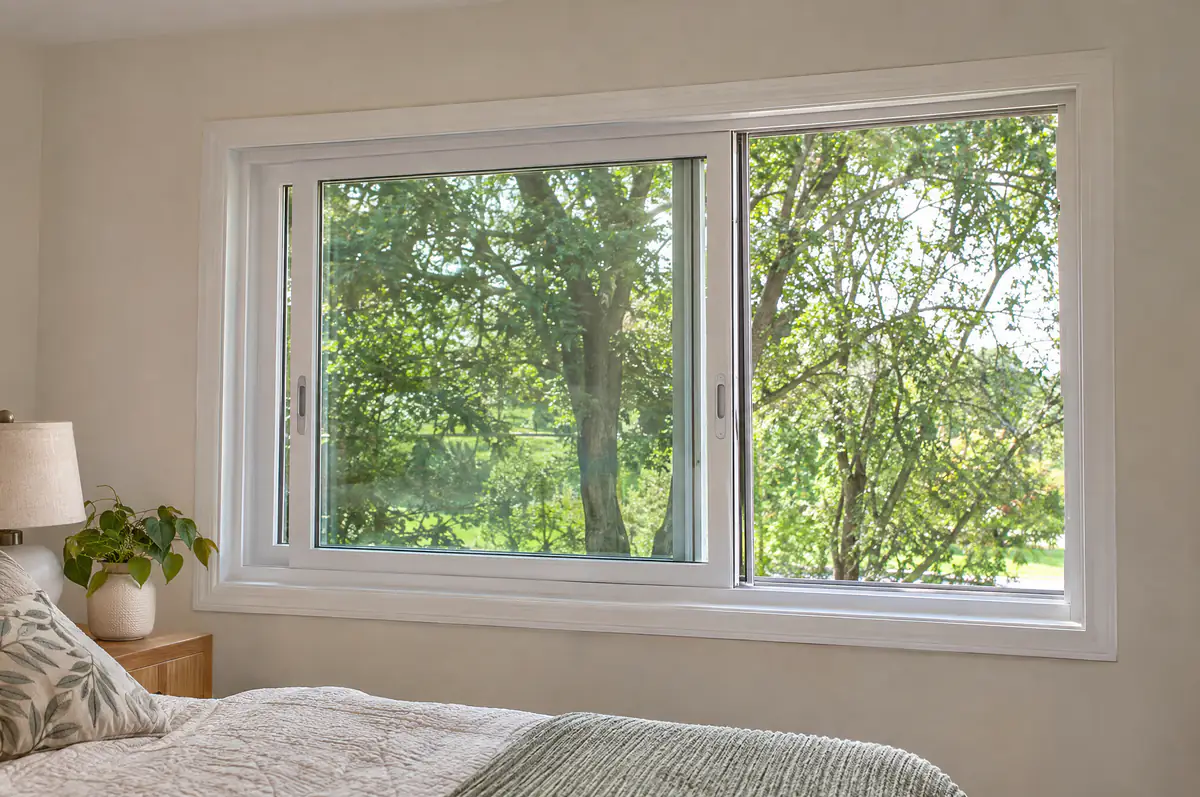
Vinyl, Fiberglass, Wood or Composite: Choosing a Window Frame
The glass gets most of the attention, but the frame decides how a window looks from the street, how much care it needs, and how well it holds its shape through decades of Ohio winters and summers.
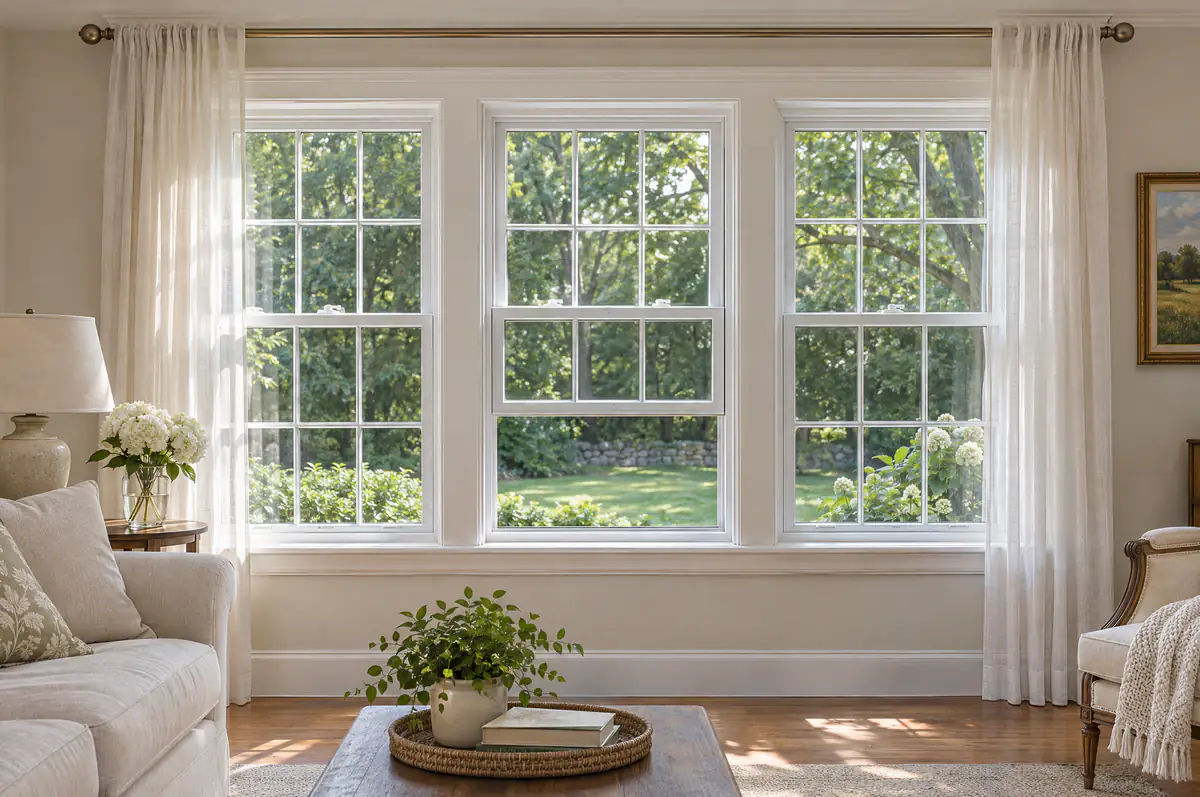
Double-Hung, Casement or Sliding: Which Window for Which Room
Window style is easy to treat as a matter of taste, but how a window opens decides how it ventilates, how well it seals, how easy it is to clean, and whether a bedroom window can serve as a way out in an emergency.
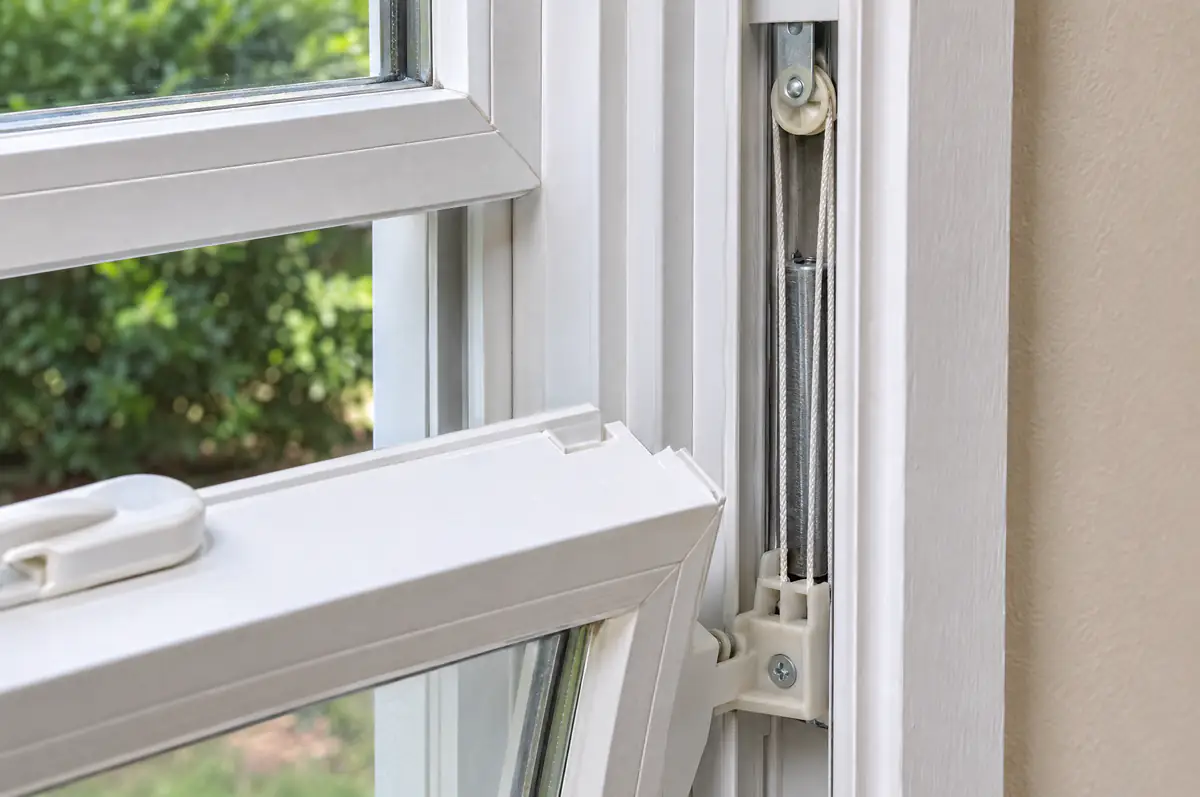
Why Your Double-Hung Window Won’t Stay Open
Every double-hung sash is held up by a balance, a counterweight or spring that offsets the weight of the sash. When a sash drops, drifts or slams, the balance is almost always the reason.