Homeowner guide · Energy-efficient
ENERGY STAR Windows in Central Ohio: Criteria by County
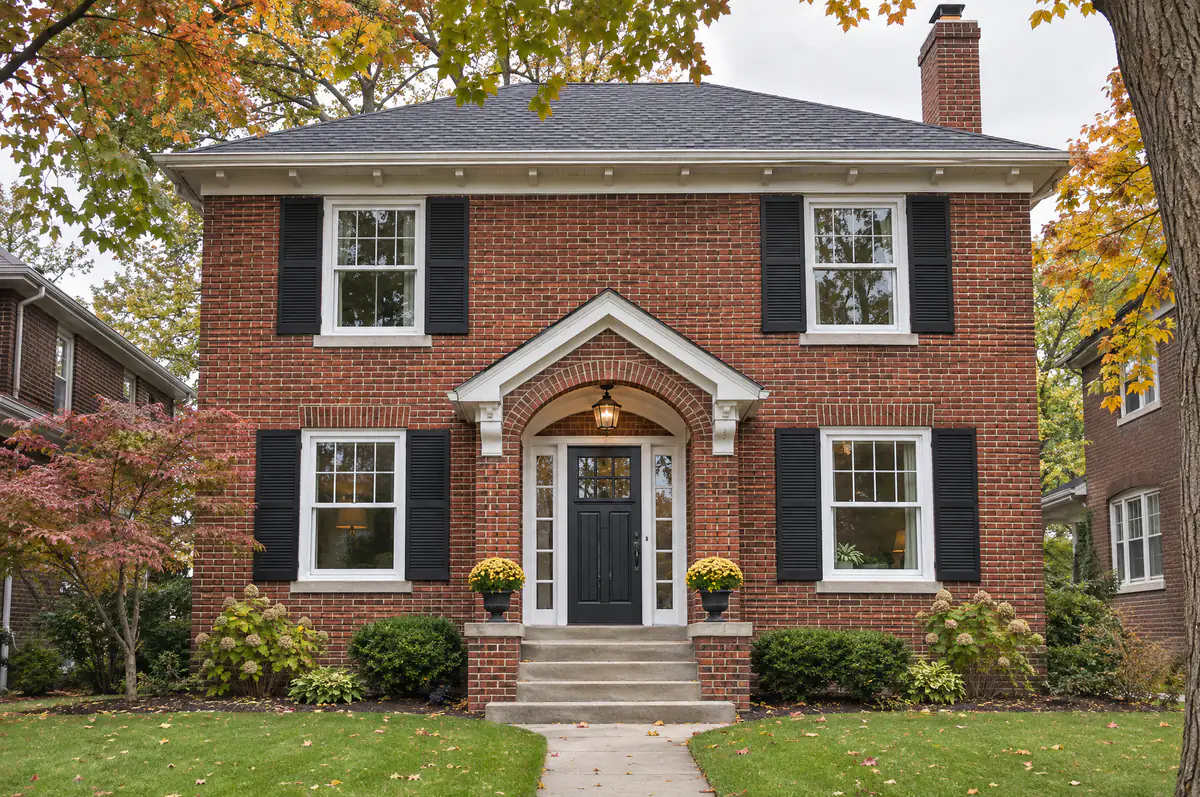
Central Ohio sits on a line. ENERGY STAR assigns window criteria by county, and the counties around Columbus fall into two different zones with two different sets of rules. A window that qualifies in Franklin County may not qualify a short drive north or east, which is worth knowing before you compare quotes or read a label.
The criteria in effect
The current ENERGY STAR specification for residential windows is Version 7.0, which took effect on October 23, 2023 and tightened the U-factor limits in every zone. The criteria below are the ones published on energystar.gov as of this writing.
Prescriptive window criteria, Version 7.0
| ENERGY STAR zone | U-factor | SHGC |
|---|---|---|
| Northern | 0.22 or lower | 0.17 or higher |
| North-Central | 0.25 or lower | 0.40 or lower |
| South-Central | 0.28 or lower | 0.23 or lower |
| Southern | 0.32 or lower | 0.23 or lower |
Northern zone equivalent-performance options
In the Northern zone only, a window can also qualify with a slightly higher U-factor if it lets in more solar heat:
| U-factor | SHGC |
|---|---|
| 0.23 | 0.35 or higher |
| 0.24 | 0.35 or higher |
| 0.25 | 0.40 or higher |
| 0.26 | 0.40 or higher |
All certified windows must also have an air leakage rating of 0.3 cubic feet per minute per square foot or less.
Energy-efficient windows in Columbus, OH
Low‑E glass and tight frames for Ohio winters.
Which zone is your county?
ENERGY STAR publishes its zones by county. Here’s how the counties around Columbus fall, from ENERGY STAR’s county climate-zone list:
| North-Central zone | Northern zone |
|---|---|
| Franklin | Delaware |
| Madison | Union |
| Pickaway | Licking |
| Ross | Fairfield |
| Fayette | Knox |
| Hocking | Marion |
| Muskingum | |
| Clark | |
| Champaign |
Two practical notes:
- The zone follows the county, not the mailing address. Columbus, Westerville and several other cities spill across county lines. A Columbus mailing address in the Delaware County part of the city is in the Northern zone, while one in Franklin County is North-Central. Check your county on your property tax bill or with the county auditor.
- Use ENERGY STAR’s own finder to confirm. energystar.gov has a climate zone search by state and county, and that tool, not this table, is the authority.
What the two zones mean in practice
Franklin County and the other North-Central counties
The U-factor limit is 0.25, and SHGC must be 0.40 or lower. That level doesn’t demand a third pane: many double-pane windows with Low-E glass and gas fill are rated to meet it, so check the label of the specific product and glass package rather than assuming either way. The SHGC cap means the glass has to hold back a fair share of summer sun.
The Northern counties
The prescriptive U-factor limit is tighter, 0.22, and there is no SHGC ceiling, only a floor of 0.17. The equivalent-performance options let a window with a U-factor up to 0.26 qualify if it admits more solar heat. Products that meet the 0.22 limit may use triple glazing or an advanced double-pane package; read the label rather than the marketing. See double- vs. triple-pane windows.
ENERGY STAR is a floor, not a finish line
The label tells you a window meets a minimum for your zone. It doesn’t tell you how it compares to other qualifying windows or whether its SHGC suits a particular wall. Use the NFRC ratings to compare. Our NFRC label guide shows how, and our Low-E and argon guide explains what drives the numbers.
Installation matters just as much. The FTC warns that windows not installed according to the manufacturer’s instructions may not deliver the savings or comfort you expect.
Using the criteria when you compare quotes
- Confirm your county’s zone with ENERGY STAR’s climate zone finder.
- Ask for the NFRC ratings of the exact window and glass package in each quote: U-factor, SHGC and air leakage at a minimum.
- Check both numbers against your zone. In the North-Central zone, a window must meet the U-factor limit and the SHGC cap. In the Northern zone, check the prescriptive line first, then the equivalent-performance table.
- Ask whether the product is certified for your zone. The ENERGY STAR label on a product shows the zones where it qualifies.
- Look past the threshold. Compare visible transmittance and condensation resistance too, and think about which way each window faces.
One house, four sides
ENERGY STAR certifies products, but your house has walls that face different directions. In the North-Central zone, every certified window keeps SHGC at 0.40 or below, which already limits summer sun. Within that range, a lower SHGC suits west walls that take the afternoon sun, and a higher one lets more winter sun warm rooms on the south side. In the Northern zone, the SHGC floor of 0.17 and the equivalent-performance options make room for glass that admits more solar heat, which can make sense on south-facing walls. A contractor can quote different glass packages for different sides of the same house, as long as each one qualifies.
Tax credits and the program’s status
- The federal tax credit has ended for new installations. The IRS states that the Energy Efficient Home Improvement Credit, which once covered qualifying windows, applies to improvements made through December 31, 2025. Windows placed in service after that date don’t qualify. Check with a tax professional about your own situation, and ask your utility whether it offers any rebates.
- Criteria can change. ENERGY STAR revises its window specification from time to time, and the Version 7.0 numbers above are the ones published on energystar.gov as of this writing. Check there for any updates before you buy.
Choosing windows that fit your zone
A1 Windows can help you match glass packages to your county’s zone and to each side of the house, and you see the price before work starts. Call or text (614) 333-6302 or book online, or read more about energy-efficient windows and window replacement.
Frequently asked questions
Do windows have to be ENERGY STAR certified to be installed in Ohio?
No. ENERGY STAR is a voluntary program. Building codes set their own energy requirements for windows, and your local building department can tell you what applies to your project. ENERGY STAR is a useful benchmark for choosing a product.
Does the ENERGY STAR label on a window show my zone?
The ENERGY STAR label on a window shows the climate zones where that product is certified. Because the zone lines run along county borders and the map on a label is small, confirm your county’s zone with ENERGY STAR’s climate zone finder rather than reading it off the label.
Are storm windows covered by these criteria?
No. The criteria in this guide are for prime windows, the main window in the opening. Storm windows are a separate product category with their own considerations.
If I live in a Northern-zone county, can I still use a window rated for North-Central?
You can install any window that meets your building code, but it may not carry ENERGY STAR certification for your zone. If ENERGY STAR status matters to you, look for a product certified for the Northern zone.
Call or text · Columbus, OH
Need energy-efficient?
(614) 333-6302- We measure before we quote
- Columbus-based · 55-mile service area
More guides
All guides
Double-Pane vs. Triple-Pane Windows for an Ohio Home
Triple-pane windows sound like an obvious upgrade for a place with real winters. Sometimes they are. But in much of Central Ohio a well-specified double-pane window already meets the ENERGY STAR criteria, so the question is what the third pane buys you in a particular room.
How to Read an NFRC Window Label
The National Fenestration Rating Council label is the closest thing windows have to a nutrition label. It turns a product’s energy performance into a handful of numbers that can be compared across brands, materials and styles.
Windows in Columbus Historic Districts: How Repair-First Works
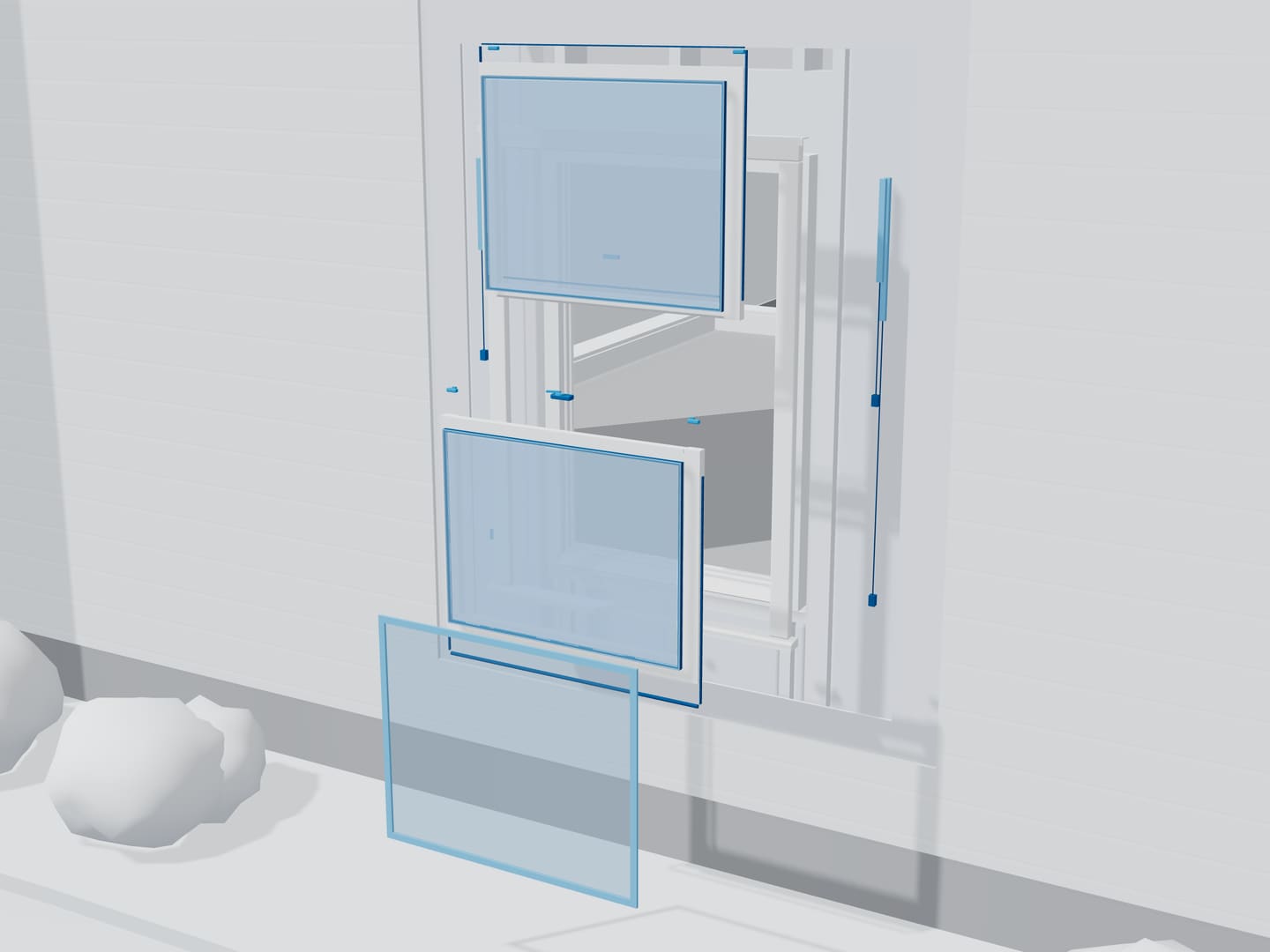
If your house is in one of Columbus’s historic districts, changes to the outside of it, windows included, go through the city’s historic review process. The process favors keeping and repairing original windows, but it also has a clear path to replacement when repair is no longer practical.