Homeowner guide · Energy-efficient
Double-Pane vs. Triple-Pane Windows for an Ohio Home
Triple-pane windows sound like an obvious upgrade for a place with real winters. Sometimes they are. But in much of Central Ohio a well-specified double-pane window already meets the ENERGY STAR criteria, so the question is what the third pane buys you in a particular room. This guide lays out the trade-offs.
What the third pane does
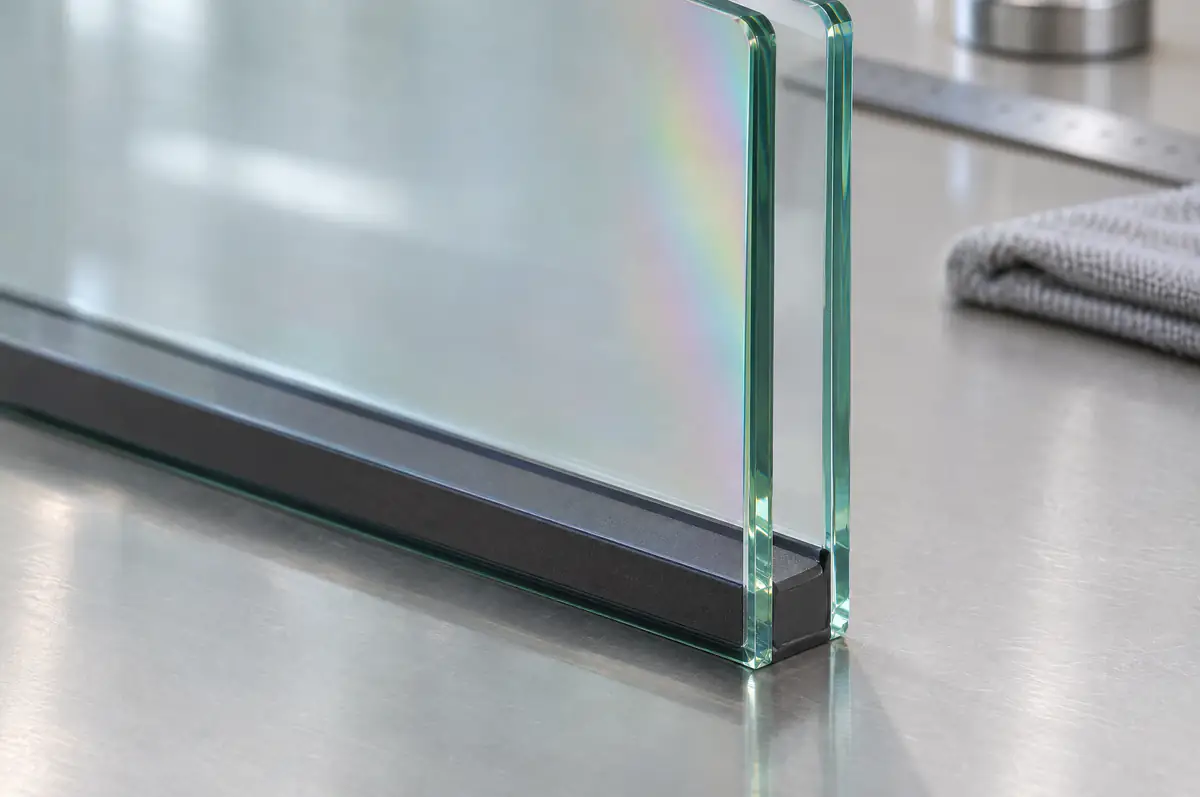
A double-pane window has two layers of glass and one sealed gap. A triple-pane window adds a third layer and a second gap. Each gap, especially when gas-filled and paired with Low-E coatings, slows heat flow, so a triple-pane unit generally reaches a lower U-factor. The Department of Energy’s Building America guidance puts it this way: a U-factor of 0.20 or lower likely indicates a triple-pane window.
The inner pane of a triple-pane unit also stays warmer in cold weather, because more insulation sits between it and the outdoors. That’s why the same guidance recommends triple-pane windows in cold climates to minimize condensation on window interiors.
Energy-efficient windows in Columbus, OH
Low‑E glass and tight frames for Ohio winters.
Where Central Ohio stands
ENERGY STAR assigns window criteria by county, and Central Ohio straddles two zones:
- North-Central zone, including Franklin, Madison, Pickaway, Ross, Fayette and Hocking counties: U-factor 0.25 or lower, SHGC 0.40 or lower.
- Northern zone, including Delaware, Union, Licking, Fairfield, Knox, Marion, Muskingum, Clark and Champaign counties: U-factor 0.22 or lower with SHGC of 0.17 or higher, or a U-factor up to 0.26 if the window admits more solar heat.
So in Franklin County, a good double-pane window with Low-E glass and argon can qualify. In the Northern counties, the prescriptive limit is tighter and triple-pane or advanced double-pane packages come into play. Our ENERGY STAR guide for Central Ohio has the full tables.
Side-by-side
| Double-pane | Triple-pane | |
|---|---|---|
| Insulating value | Good to very good with Low-E and gas | Generally better; lowest U-factors |
| Room-side glass in winter | Colder | Warmer, less prone to condensation |
| Weight | Lighter | Heavier sash and unit |
| Glass unit thickness | Thinner | Thicker; needs a frame designed for it |
| Daylight and solar gain | Typically higher | Each added layer and coating can lower VT and SHGC |
| Cost | Lower | Higher |
The trade-offs in detail
Weight
A third layer of glass adds weight to every sash. On a double-hung window, the balances that hold the sash up must be sized for it, and on a large casement the hinges and operator carry more load. Windows designed for triple glazing account for this, which is one reason triple-pane is a product choice, not an add-on.
Thickness and fit
A triple-pane glass unit is thicker, so it needs a sash and frame built to hold it. That usually rules out putting triple-pane glass into an existing double-pane sash during a glass repair, and it can affect how an insert fits inside an old frame.
Daylight and free solar heat
More glass and more coatings mean less light and less solar heat get through. That can be a plus on a hot west wall and a minus on a south wall where winter sun is welcome, or in a room that’s already dim. Compare the Visible Transmittance and SHGC on the NFRC label, not just the U-factor.
Payback
How much you save depends on your existing windows, your home’s insulation, its size, its shading and the climate, as the FTC’s window guidance points out. Moving from old single-pane glass to good double-pane is a large step; moving from good double-pane to triple-pane is a smaller one. Whether the extra cost makes sense depends on the house and how long you plan to stay.
Where triple-pane earns its place
- Rooms where condensation is a problem, such as bathrooms and bedrooms that fog up every winter morning.
- Large glass areas, like a big picture window or a bay or bow, where a cold surface is felt across the room.
- North-facing walls that get little winter sun to offset heat loss.
- Homes in Northern-zone counties where you want the prescriptive ENERGY STAR U-factor.
- Rooms next to traffic, where a heavier glass package can help, though glass thickness and laminated glass also matter for sound, so ask about the specific unit.
Where double-pane is the sensible choice
- Most windows in Franklin County and the other North-Central counties, when the glass is Low-E with gas fill.
- South-facing windows where winter sun is a benefit.
- Older homes where sash weight and frame size are constrained.
- Basement and utility windows.
The frame and the glass edge still matter
The NFRC U-factor describes the whole window, not just the glass. A third pane improves the center of the glass, but heat still moves through the frame and through the spacer at the edge of the glass unit. A triple-pane unit in a frame that conducts heat readily gives back part of its advantage, and an edge spacer made of conductive metal leaves a cold band around the glass where condensation can still start. When comparing a double-pane and a triple-pane option, compare the whole-window ratings, and ask what spacer each unit uses.
Questions to ask about a triple-pane quote
- What are the whole-window U-factor, SHGC and visible transmittance, side by side with the double-pane option for the same window?
- Are the gaps filled with argon or krypton?
- Is the frame and sash designed for triple glazing, and what balances or hinges carry the added weight?
- Does the triple-pane option change the ENERGY STAR zones the product qualifies for?
- Does the thicker unit change how an insert fits in your existing frames?
A mixed approach
Nothing says every window has to be the same. A common-sense plan uses double-pane on most openings and triple-pane where comfort or condensation is the issue. A1 Windows can look at the house, side by side and room by room, and you see the price before any work starts. Call or text (614) 333-6302 or book online, or read more about energy-efficient windows.
Frequently asked questions
Can I put triple-pane glass into my existing windows?
Usually not. A triple-pane unit is thicker and heavier than the double-pane unit a standard sash is built for. Replacing failed glass with a new double-pane unit with Low-E and argon is the usual upgrade path for a sound window.
Do triple-pane windows stop all condensation?
No. They keep the room-side glass warmer, which reduces condensation, but very high indoor humidity can still cause it. Running bathroom and kitchen fans and keeping humidifiers moderate in winter helps any window.
Are triple-pane windows harder to open?
A well-designed triple-pane window shouldn’t be, because its balances, hinges or rollers are sized for the weight. If a sample feels heavy in the showroom, ask about the hardware.
Call or text · Columbus, OH
Need energy-efficient?
(614) 333-6302- We measure before we quote
- Columbus-based · 55-mile service area
More guides
All guides
ENERGY STAR Windows in Central Ohio: Criteria by County
Central Ohio sits on a line. ENERGY STAR assigns window criteria by county, and the counties around Columbus fall into two different zones with two different sets of rules.
Low-E Coatings and Argon Gas, Explained
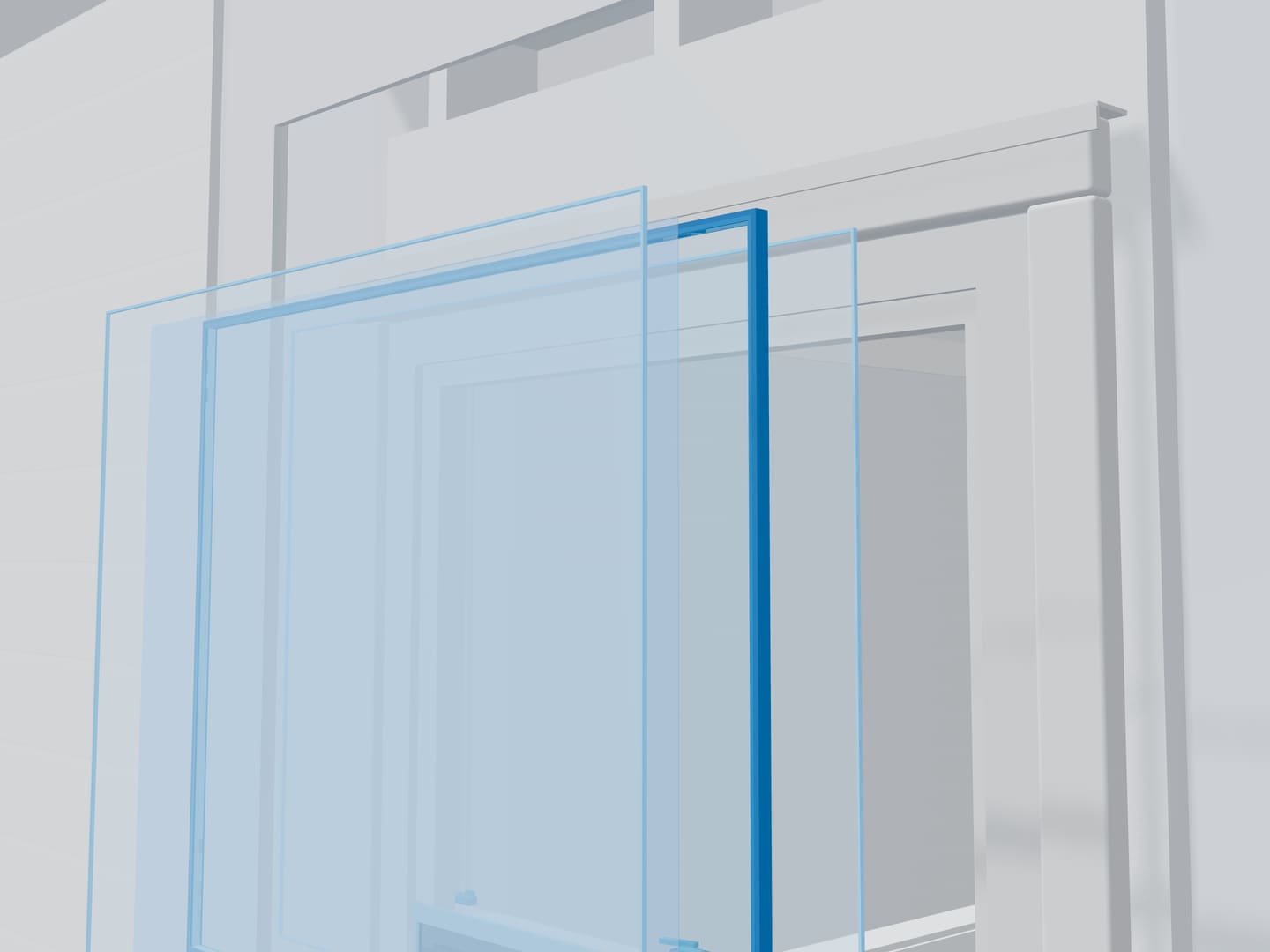
Two technologies do most of the work in a modern energy-efficient window, and you can’t see either of them. Low-E coatings control how heat moves through the glass, and gas fills slow the heat that tries to cross the space between the panes.
Choosing Window Screen Mesh: Fiberglass, Aluminum, Pet and Solar
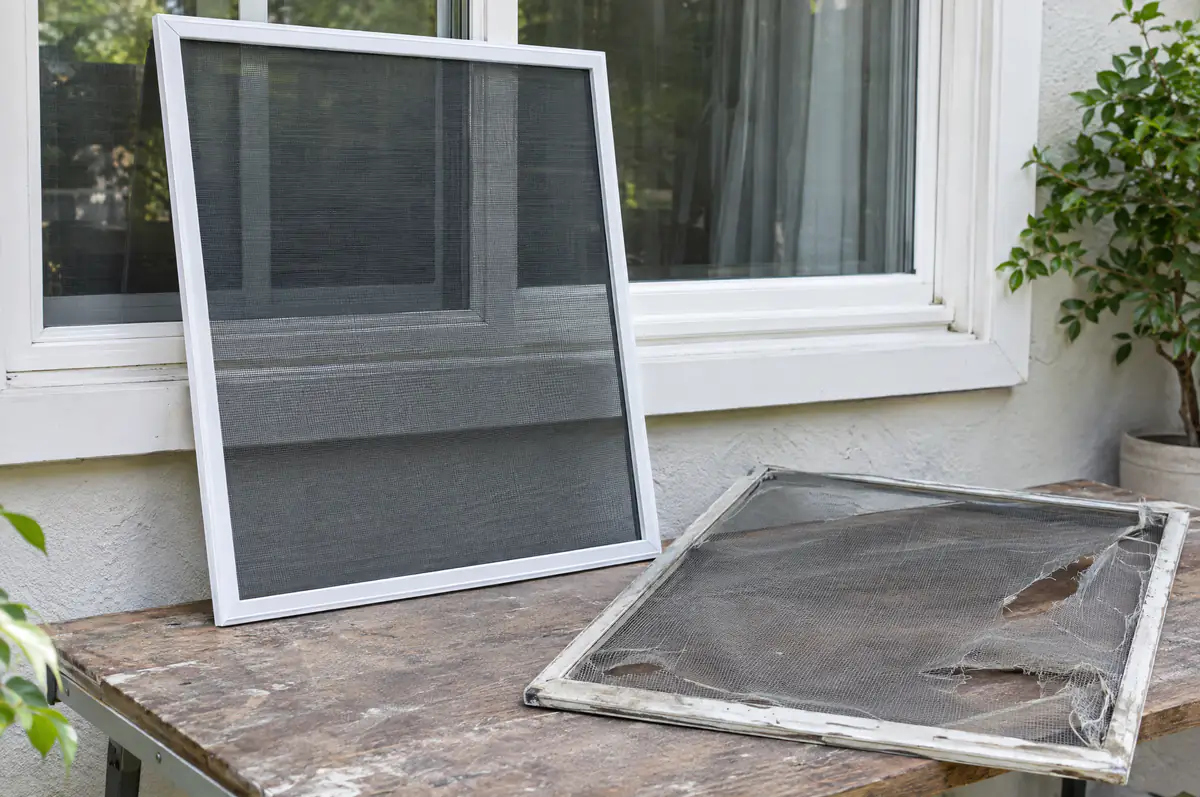
Screen mesh is not one product. Fiberglass, aluminum, pet-resistant and solar screens look, wear and perform differently, and the right choice depends on the window, who uses the room and which way it faces.