Homeowner guide · Window replacement
Vinyl, Fiberglass, Wood or Composite: Choosing a Window Frame
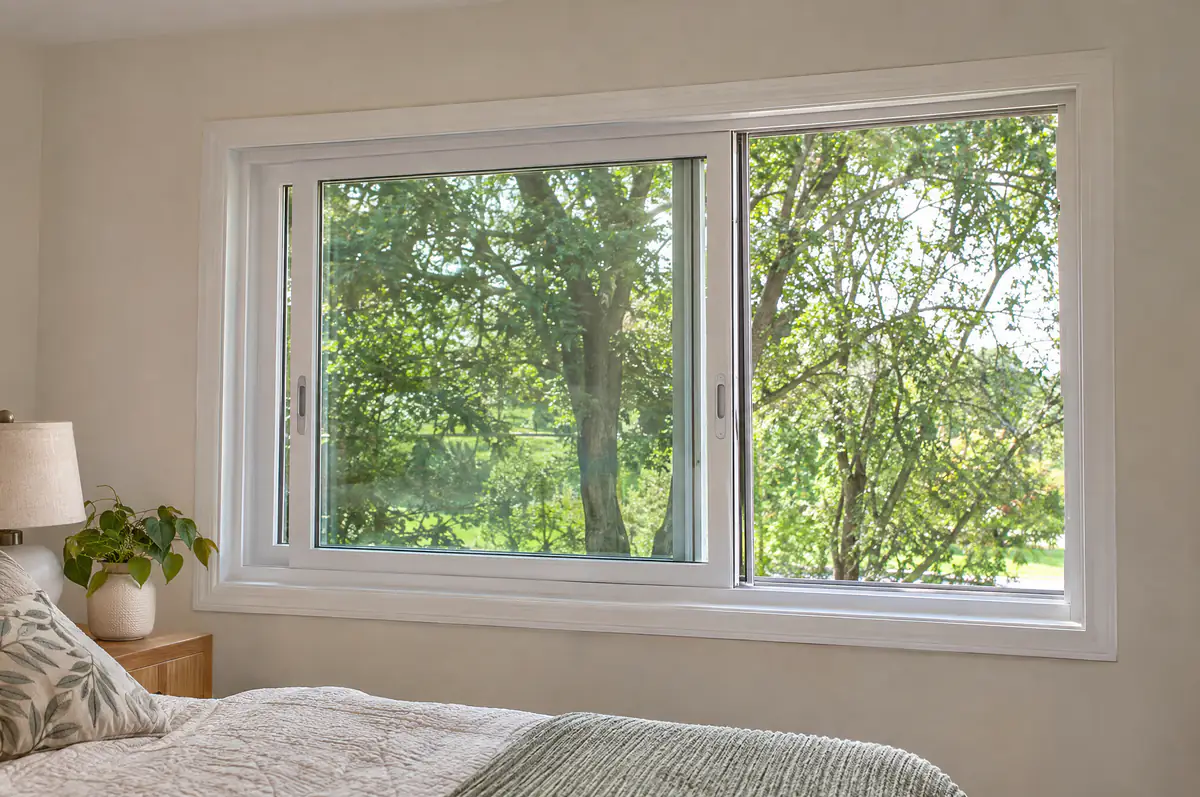
The glass gets most of the attention, but the frame decides how a window looks from the street, how much care it needs, and how well it holds its shape through decades of Ohio winters and summers. Frame material also limits which colors, profiles and sizes are available.
Here’s how the common choices compare, without a sales pitch for any of them.
The short version
| Frame | Strengths | Watch-outs |
|---|---|---|
| Vinyl | Insulates well, no painting, wide range of sizes | Thicker frames, expands and contracts more with temperature, limited paintability |
| Fiberglass | Stable with temperature changes, strong, can be painted | Fewer product lines and styles than vinyl |
| Wood | Traditional look, can be painted or stained, repairable | Heavy and needs regular upkeep |
| Clad wood | Wood inside, protective cladding outside | Water that gets behind the cladding can go unnoticed |
| Composite | Blends of wood fiber and polymers, often stable and low-maintenance | “Composite” means different things from one maker to the next |
Window replacement in Columbus, OH
New windows, from one opening to the whole house.
How frames affect energy performance
Department of Energy guidance notes that vinyl, wood, fiberglass and some composite frame materials provide greater thermal resistance than metal. That’s why plain aluminum frames, common in some mid-century houses and additions, tend to run cold and collect condensation in winter. Among the non-metal materials, the differences in insulating value depend on the frame’s internal design and how much glass versus frame the unit has, so compare the whole-window U-factor on the NFRC label rather than assuming one material wins. Our NFRC label guide explains how.
Vinyl
Vinyl frames are extruded PVC with hollow internal chambers. The FTC’s window shopping guidance sums up the appeal: vinyl frames insulate well and don’t need painting. They’re made in a wide range of sizes, which makes them a common choice for insert replacements.
Things to weigh:
- Movement. Vinyl expands and contracts more with temperature than glass, fiberglass or wood. Well-built units account for this, but it’s one reason frame design and reinforcement matter.
- Frame width. Vinyl frames are often bulkier than wood or fiberglass, which means less glass in the same opening. On an insert, that loss stacks on top of the old frame.
- Color. Vinyl’s color is usually set at the factory. Painting vinyl later is not something every manufacturer allows.
Fiberglass
Fiberglass frames are made from glass fibers set in resin. Because the frame is largely glass, it expands and contracts at a rate close to the glass it holds, which helps seals and joints stay tight through temperature swings. Fiberglass is stiff and strong, so frames can be slimmer than vinyl for the same size window, and most fiberglass can be painted.
Fiberglass typically costs more than vinyl, and there are fewer product lines to choose from, so a specific size or style may take longer to find.
Wood
Wood is the traditional window material of older houses, and on a house built before vinyl and fiberglass existed, the original sashes are almost always wood. The FTC notes that wood frames provide good insulation but are heavy and high-maintenance. Paint or finish needs renewing, and wood that stays wet will rot.
The upside of wood is that it’s repairable. A wood window with a damaged sill or sash rail can often be rebuilt by wood window repair rather than replaced.
Clad wood
Clad-wood windows put a protective skin, often aluminum or vinyl, over the exterior of a wood frame, so the outside needs less painting while the inside stays wood. The risk is hidden water: if water gets behind the cladding through a failed joint or a flashing problem, the wood underneath can deteriorate without visible signs. Good installation and flashing matter even more with clad windows.
Composite
Composite frames combine materials, commonly wood fiber with a polymer resin. Many are designed to resist moisture and temperature movement better than solid wood. Because “composite” covers a range of recipes, ask what the frame is actually made of and look at the product’s ratings rather than the category name.
How frame choice plays with an insert
An insert puts a new frame inside the old one, so the new frame’s width is subtracted from the glass on every side. That makes frame profile a real consideration for insert jobs. Slimmer frames, which fiberglass and wood can often achieve, keep more of the view; bulkier frames cost more glass. On a small or narrow window, ask to see the frame cross-section or a sample corner before you decide.
Questions to ask about any frame
- How are the corners joined, and how is the frame reinforced at the corners and meeting rails?
- What finishes are available inside and outside, and can the frame be painted later?
- How wide is the frame, and how much glass will the opening lose?
- What are the whole-window U-factor and air leakage for this frame with the exact glass package being quoted?
- Which hardware, screens and grille options come with this product line?
Historic districts and frame material
If you live in one of Columbus’s local historic districts, the frame material isn’t entirely your call. The German Village Commission, for example, issues Certificates of Appropriateness for exterior alterations in its district and reviews them against the district’s published guidelines, and the Victorian Village, Italian Village and Historic Resources commissions do the same for the properties they cover. A new frame material changes how a window looks from the street, so bring product details and a sample or cut sheet to the commission’s staff before you order.
Matching material to the house
- Older wood-window houses where the look matters: wood, clad wood or a slim-profile fiberglass, or a repair of the originals.
- Mid-century and newer houses with standard openings: vinyl or fiberglass are both strong choices; compare ratings and frame width.
- Dark exterior colors or big temperature swings, such as sun-baked south and west walls: a material that moves less with temperature, such as fiberglass, is worth considering.
- Basement and utility windows: vinyl’s moisture resistance and simple care suit these well.
The style of window matters as much as the material. See our guide to double-hung, casement and sliding windows for that side of the decision.
Getting a recommendation for your house
A1 Windows looks at the openings and the house before recommending a material, and you see the price before work starts. Call or text (614) 333-6302 or book online. More on the service itself is on our window replacement page.
Frequently asked questions
Can I mix frame materials in one house?
Yes. Some homeowners use wood or clad wood on the street-facing side and vinyl in basements or at the back of the house. The main things to keep consistent are the exterior color and the sightlines on any single side of the house.
Do vinyl windows come in dark colors?
Many vinyl product lines offer darker exterior finishes, but options vary by manufacturer and series. Because dark colors absorb more sun, ask how the product is designed to handle heat on south- and west-facing walls.
Is aluminum ever a good choice for a home window?
Aluminum is strong and slim, but it conducts heat readily, which is why plain aluminum frames tend to feel cold and collect condensation in a Central Ohio winter. Frames designed with a thermal break perform better; check the whole-window U-factor on the label.
Call or text · Columbus, OH
Need window replacement?
(614) 333-6302- We measure before we quote
- Columbus-based · 55-mile service area
More guides
All guides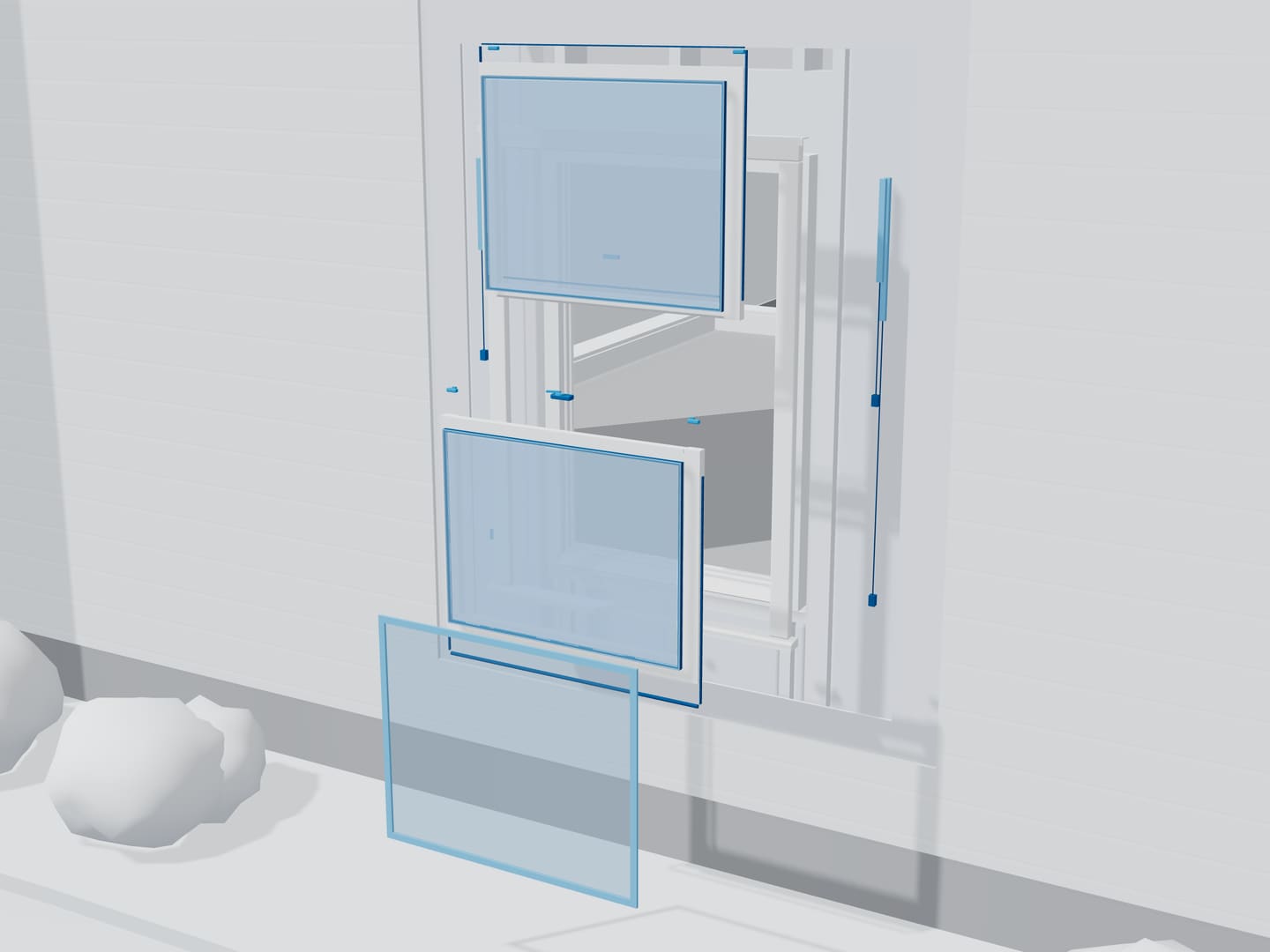
Insert vs. Full-Frame Window Replacement: How to Choose
Every replacement window goes in one of two ways. An insert, sometimes called a pocket replacement, slides a new window unit into the existing frame after the old sashes come out, while a full-frame replacement removes everything down to the rough opening.
Repair or Replace? Signs It’s Time for New Windows
A window that bothers you is not automatically a window that needs replacing. Many of the problems that make a window feel worn out are part failures, and a part can be swapped for far less disruption than a whole unit.
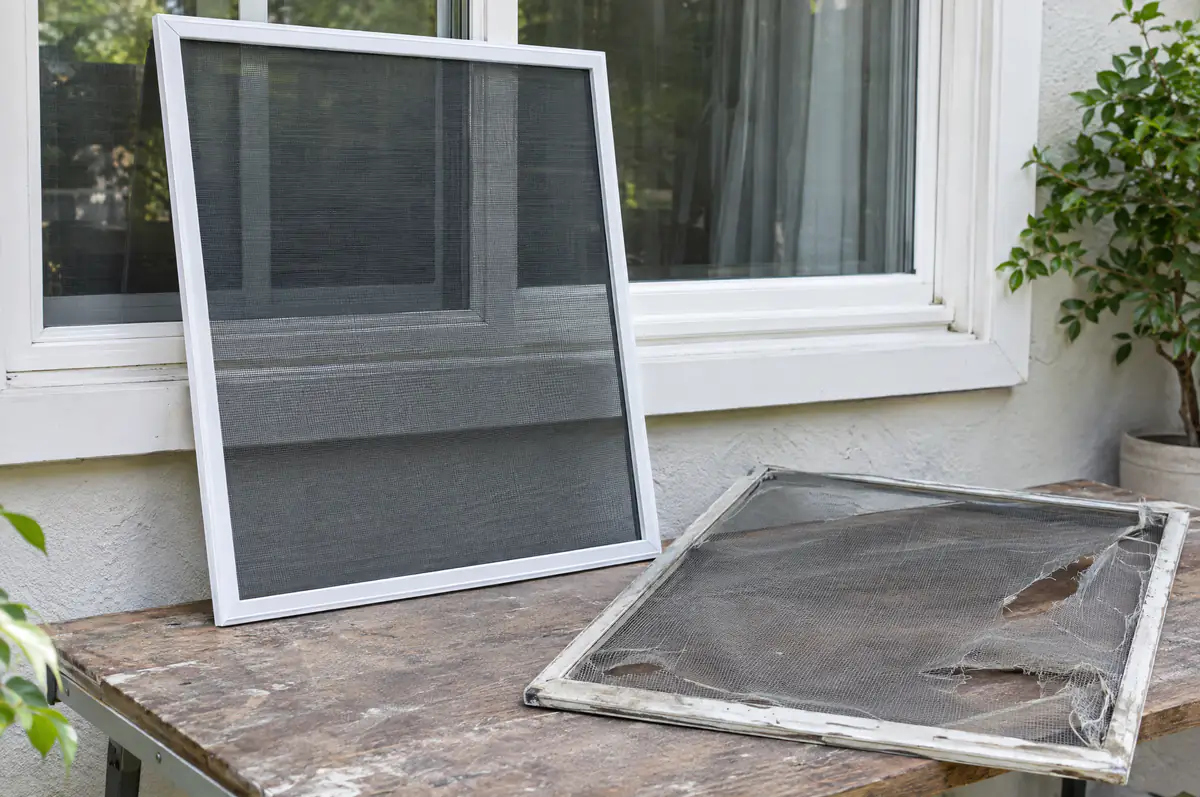
Choosing Window Screen Mesh: Fiberglass, Aluminum, Pet and Solar
Screen mesh is not one product. Fiberglass, aluminum, pet-resistant and solar screens look, wear and perform differently, and the right choice depends on the window, who uses the room and which way it faces.