Upper Arlington was built in two very different chapters, and the windows follow suit. A repair visit in one part of the city rarely looks like a repair visit in another, so it helps to know which chapter your house belongs to.
South of Lane Avenue: the original plan
King and Ben Thompson bought the first 840 acres south of present-day Lane Avenue in 1913 and laid out a garden suburb of curving streets and substantial houses. Much of that original section is listed on the National Register of Historic Places as the Upper Arlington Historic District. Many of these houses still have wood windows, some of them original.
The work that comes up most in these houses:
- Rehanging sashes on new cords where the old ones have broken, so the window stays where you put it.
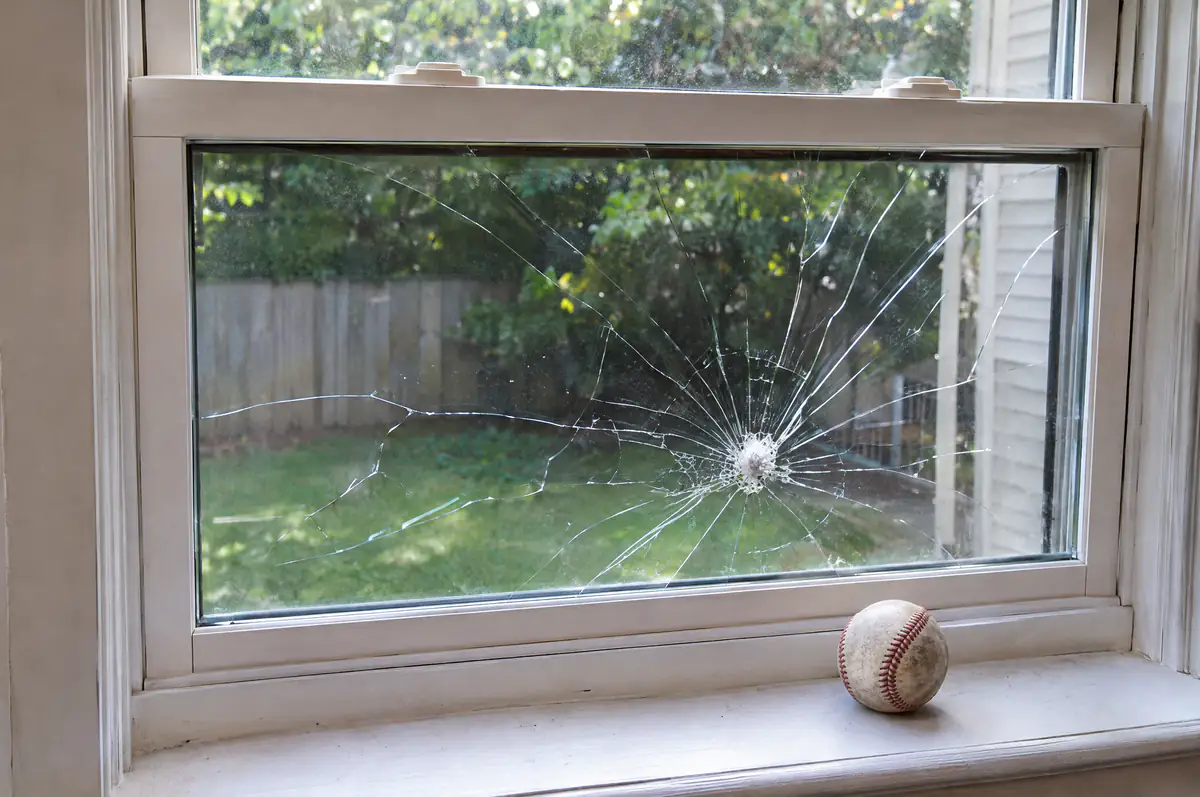
- Reglazing loose panes and replacing cracked glass while keeping the sash and its muntins (window glass replacement).
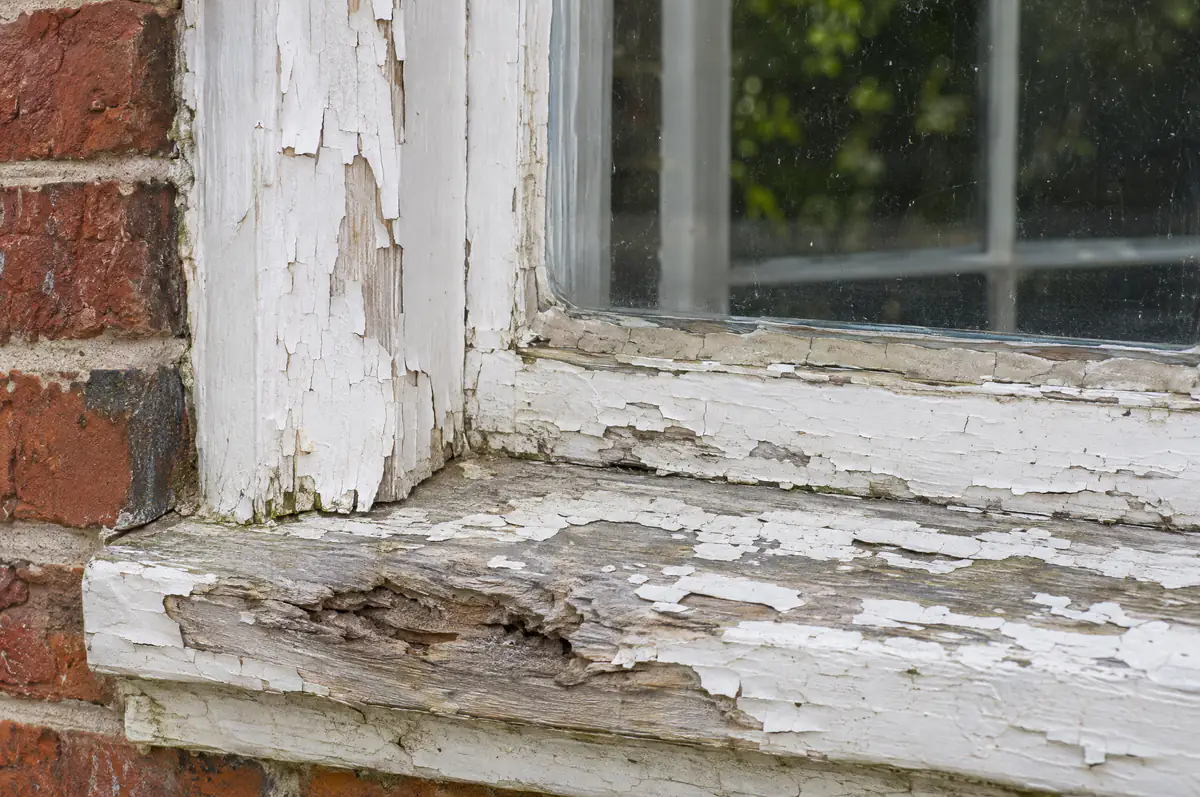
- Repairing rot at sills and bottom rails before it spreads into the frame (wood window repair).
- Freeing sashes that paint has sealed shut, and adjusting or replacing worn sash locks and casement latches.
Many older houses also have storm windows mounted outside the main sash. Their tracks, glass and screen inserts wear out too, and they are worth repairing: a working storm window shields the original sash from rain and wind, which is a large part of what keeps old wood in good shape.
North of Lane: postwar and later homes
After World War II, new housing tracts spread north of Lane Avenue, laid out on more conventional streets and built largely as ranch houses, and building there went on for decades. Many of these homes now have their second set of windows, often vinyl or clad units with insulated glass. Their failures are mechanical and seal-related rather than wood-related:
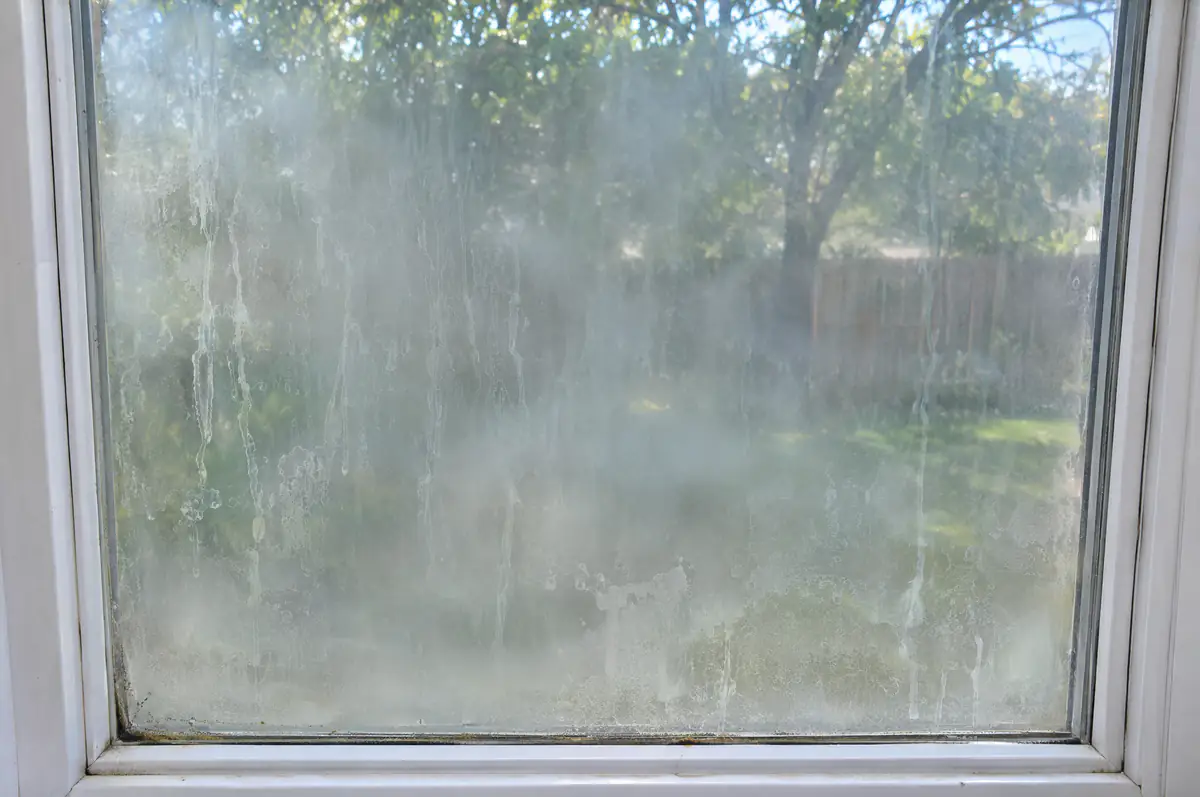
- Fog between the panes. A failed seal lets moisture into the insulated unit. The sealed unit is usually replaceable on its own (foggy window repair).
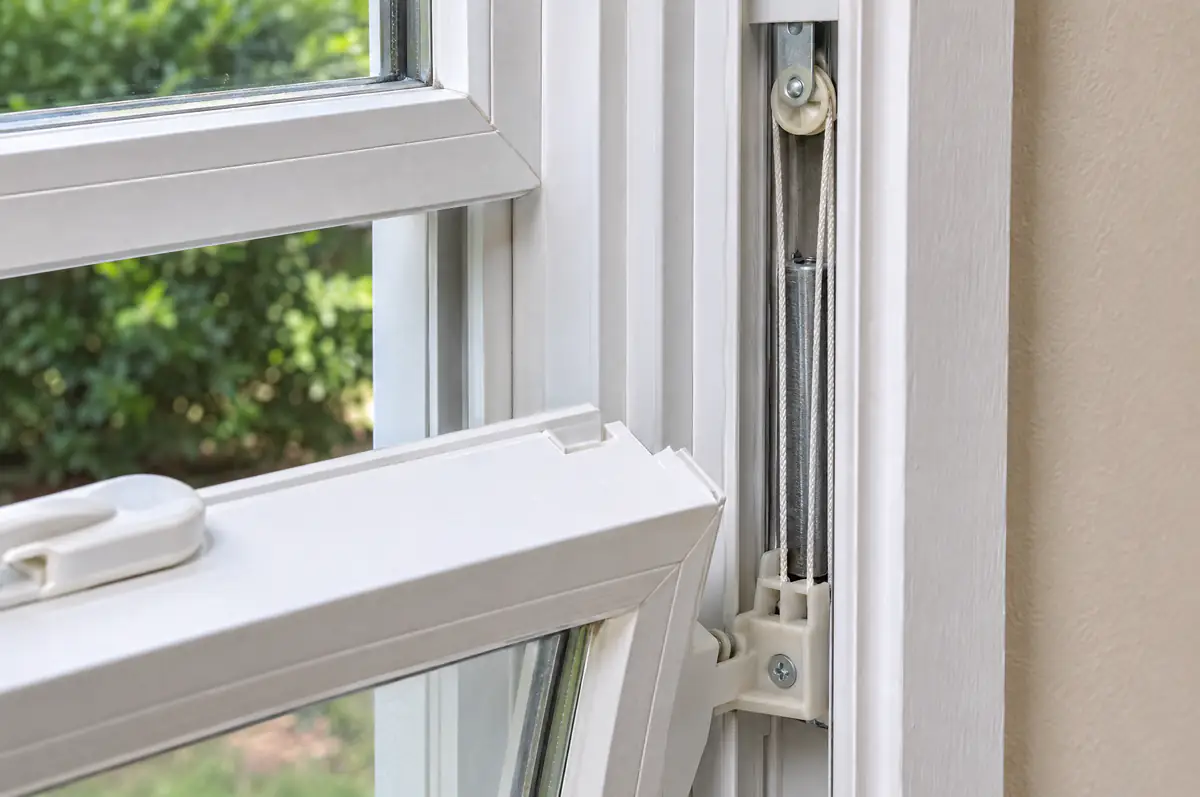
- Sashes that drop or won’t tilt in. Spiral, block-and-tackle and constant-force balances wear out, and the shoes that ride in the jamb crack. Replacing them restores smooth travel (sash and balance repair).
- Casements that won’t crank. Stripped operator gears and bent arms are common, and the operator can usually be swapped without touching the window frame (lock and crank repair).
- Tired weatherstripping and torn screens, which let drafts and insects in long before the window itself is worn out (window screens).
How a visit goes
A technician comes to the house, looks at each window you point out, and explains what’s wrong and what it takes to fix it. You see the price before any work starts. When a repair is the sensible choice, that’s what we recommend; when a window has run its course, we’ll say so, and you can read about window replacement in Upper Arlington before deciding anything.
For houses in the historic district, keeping original windows working is often the most practical way to preserve the look of the house. Repair keeps the sash, the glass pattern and the trim you have.
Book a repair
Call or text (614) 333-6302, or book online. It helps to say roughly when the house was built and what kind of windows it has, plus a photo of the problem if you can take one.