Homeowner guide · Foggy window repair
Winter Condensation on the Inside of Your Windows

Every winter, some Columbus homeowners wake up to beads of water running down the inside of the glass, puddles on the sill or even a thin layer of frost along the bottom of the window. Water on the room side of the glass in winter is a sign that the air in the house holds more moisture than the coldest surface in the room can handle. Most of the time the fix starts with the air, not the window.
Why it happens on the glass
Warm air holds more water vapor than cold air. When room air touches a surface colder than its dew point, some of that vapor turns back into liquid. In winter, the window is usually the coldest surface in the room, so that is where it shows up first.
It tends to form in predictable places:
- Along the bottom of the glass, where cold air slides down the pane and pools.
- Around the edges, where the spacer between panes conducts more heat than the center of the glass.
- Behind closed curtains and blinds, which trap a pocket of air against the glass and let it get colder.
- In bathrooms, kitchens and bedrooms, where showers, cooking and sleeping people add moisture.
Foggy window repair in Columbus, OH
Foggy panes? Replace the glass, not the whole window.
First, confirm which side the water is on
Wipe the glass. If it clears, the moisture is on the room side, and this guide is the right one. If the haze stays put, it is trapped between the panes, which is a failed seal and a different repair; see fog between window panes. If you have storm windows, check the space between the storm and the main window too (more on that below).
Measure your humidity
An inexpensive digital hygrometer from a hardware store takes the guesswork out. University of Minnesota Extension, which publishes guidance for a much colder climate than ours, says a relative humidity of about 25% in winter to 50% in summer is generally considered healthy and comfortable, and it lists window condensation in winter as a sign of too much moisture in the house. If your reading is well above that range on a cold day and your windows are wet, the air is the first thing to work on.
Where the moisture comes from
A family adds a surprising amount of water to indoor air without trying. Common sources:
- Showers and baths
- Cooking, especially boiling water with the lid off
- Dishwashing and drying laundry indoors
- Breathing; a closed bedroom with two sleepers will often have the wettest windows in the house
- Houseplants and aquariums
- Humidifiers, whether portable or built into the furnace
- Firewood stored indoors
- Unvented gas appliances, which release water vapor as they burn
- A damp basement or crawlspace feeding moisture upward
Fixes that cost little or nothing
- Run the exhaust fans. Use the bathroom fan during every shower and for a while after, and the kitchen range hood when cooking. Make sure they actually vent outdoors, not into the attic.
- Turn the humidifier down on cold days. A setting that is comfortable in a mild spell can drench the windows during a cold snap. If your furnace humidifier has an outdoor-temperature control, use it.
- Let warm air reach the glass. Open blinds and curtains during the day, keep furniture off heat registers below windows, and leave a ceiling fan on low to keep air moving.
- Dry laundry outside the living space or in a vented dryer.
- Move firewood outside and bring in only what you will burn that day.
- Deal with the basement. Downspouts that dump next to the foundation, an uncovered crawlspace floor or a dehumidifier that is never emptied all show up upstairs as wet glass.
Give changes a few days. Houses hold moisture in drywall, wood and furnishings, so readings drop gradually.
When the window is part of the problem
Even with reasonable humidity, some windows run colder than others and sweat first:
- Single-pane glass stays far colder on the room side than double-pane glass.
- Older aluminum frames without a thermal break conduct cold straight through, so the frame itself sweats and sometimes frosts.
- Worn weatherstripping and gaps let cold air wash over the glass and frame.
- A failed sealed unit has lost some insulating value, so its room-side surface runs colder too.
Weatherstripping, a new sealed unit or, for windows at the end of their life, energy-efficient replacement windows warm the inner surface and raise the humidity the room can hold before condensation starts. Our foggy window repair and window repair pages cover those jobs.
Storm windows and condensation
Older Columbus houses often have a second, outer storm window. Condensation between the two layers tells you something:
- Moisture on the inside face of an exterior storm usually means warm, damp indoor air is leaking past the main sash. Tightening the main window with weatherstripping helps; the storm should be the looser of the two.
- Interior storm panels can trap room moisture against the colder main window behind them. The National Park Service’s guidance on wood windows warns that this trapped moisture can condense on the prime window and lead to deterioration, so interior storms need a good seal on the room side.
Dew on the outside is a good sign
If newer windows are wet on the outside on a cool, clear morning, that is not a defect. Efficient glass keeps heat in so well that the outer pane cools to the outdoor temperature and collects dew, just like a car windshield. It burns off as the day warms.
Protect the window while you work on the cause
Water that runs down the glass every morning ends up on the sill and the bottom rail of the sash. Wipe it up, and watch for peeling paint, dark stains or soft spots in wood windows. Those are early signs of rot, covered in wood window rot: repair or replace. Black spots on caulk and in corners are mold; clean them and fix the humidity before repainting.
When to call
If the hygrometer reads in a sensible range and one or two windows still drip, the window is the next suspect. Frames that are wet, frosted or soft to a fingernail deserve a closer look before another winter goes by. A1 Windows works out of Columbus and serves homes within about 55 miles; we check the glass, weatherstripping and frame first, then quote, and you see the price before any work starts. Call or text (614) 333-6302, or book online.
Frequently asked questions
Should I turn off my whole-house humidifier completely?
Not necessarily. Many people like some added humidity in winter. Lower the setting during cold snaps, and if the windows stay dry and the hygrometer stays in a moderate range, you have found a workable level.
Is condensation worse right after new windows are put in?
It can look that way. Tighter windows and doors cut the drafts that used to dry the house out, so indoor humidity can rise. The fix is ventilation and humidity control, not looser windows.
Why does only one bedroom get wet windows?
Closed doors, people sleeping in a small room, curtains drawn over the glass and a room on the cold side of the house add up. Leave the door open, keep air moving and check whether that window’s weatherstripping is worn.
Can condensation cause mold on window frames?
Yes. Water that sits on frames, caulk and sills day after day is enough for mold to grow. Wipe surfaces dry, clean spots promptly and bring the humidity down.
Call or text · Columbus, OH
Need foggy window repair?
(614) 333-6302- You see the price before work starts
- Columbus-based · 55-mile service area
More guides
All guides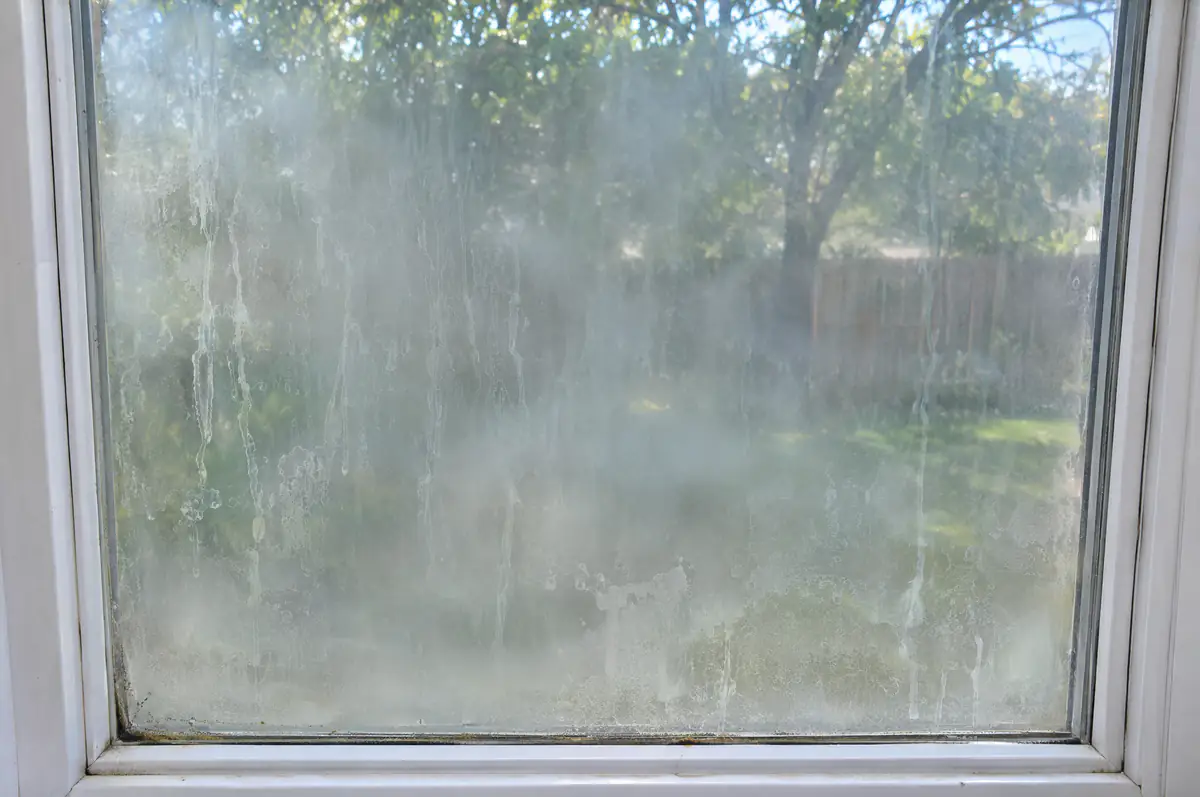
Fog Between Window Panes: What a Failed Seal Means
When you can’t wipe the haze away from either side, the moisture is inside the sealed glass unit. That is what window people mean by a failed seal.
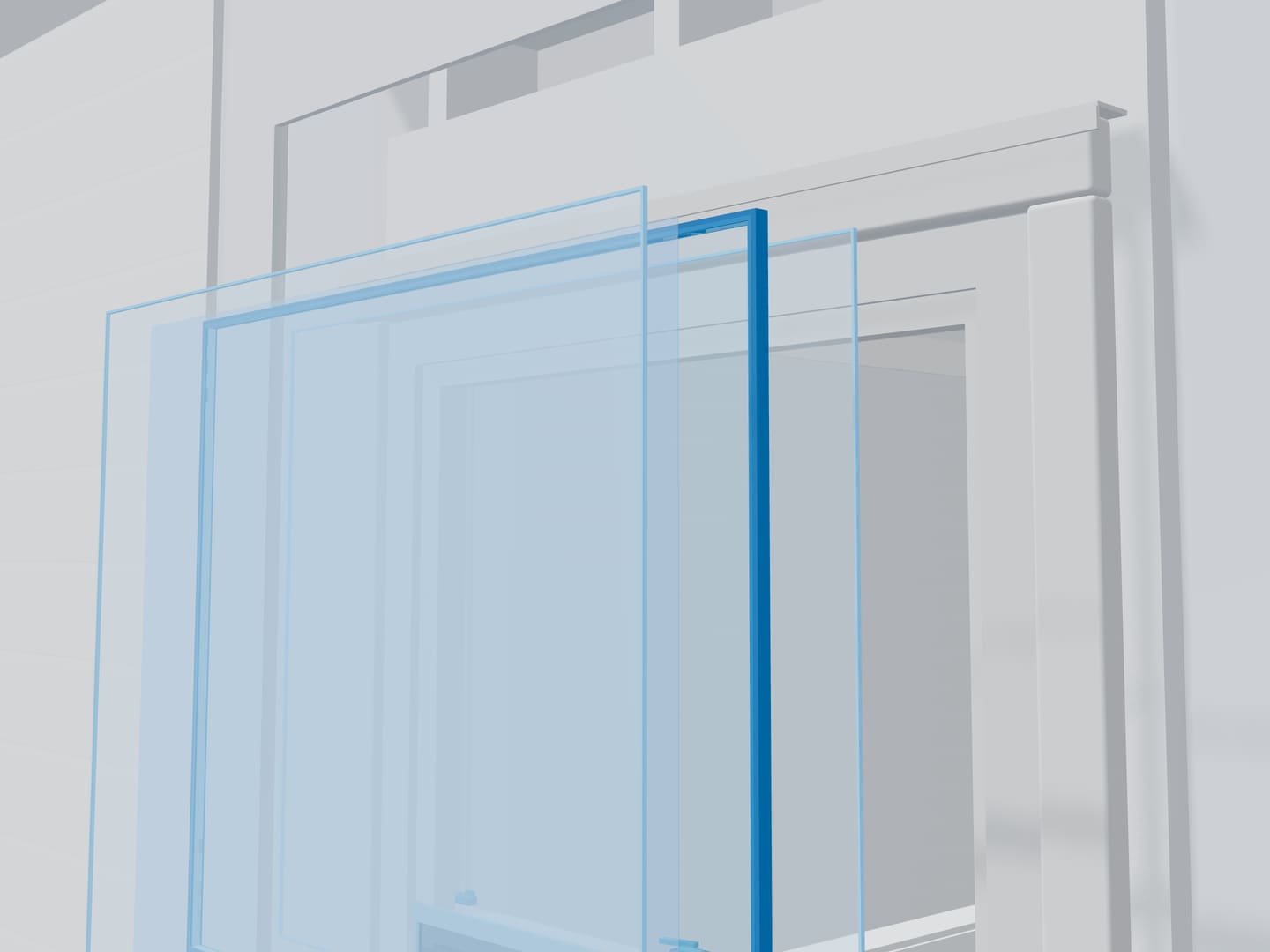
Low-E Coatings and Argon Gas, Explained
Two technologies do most of the work in a modern energy-efficient window, and you can’t see either of them. Low-E coatings control how heat moves through the glass, and gas fills slow the heat that tries to cross the space between the panes.

Repair or Replace? Signs It’s Time for New Windows
A window that bothers you is not automatically a window that needs replacing. Many of the problems that make a window feel worn out are part failures, and a part can be swapped for far less disruption than a whole unit.