Homeowner guide · Window replacement
Pre-1978 Homes and Window Work: The EPA Lead-Safe Rules
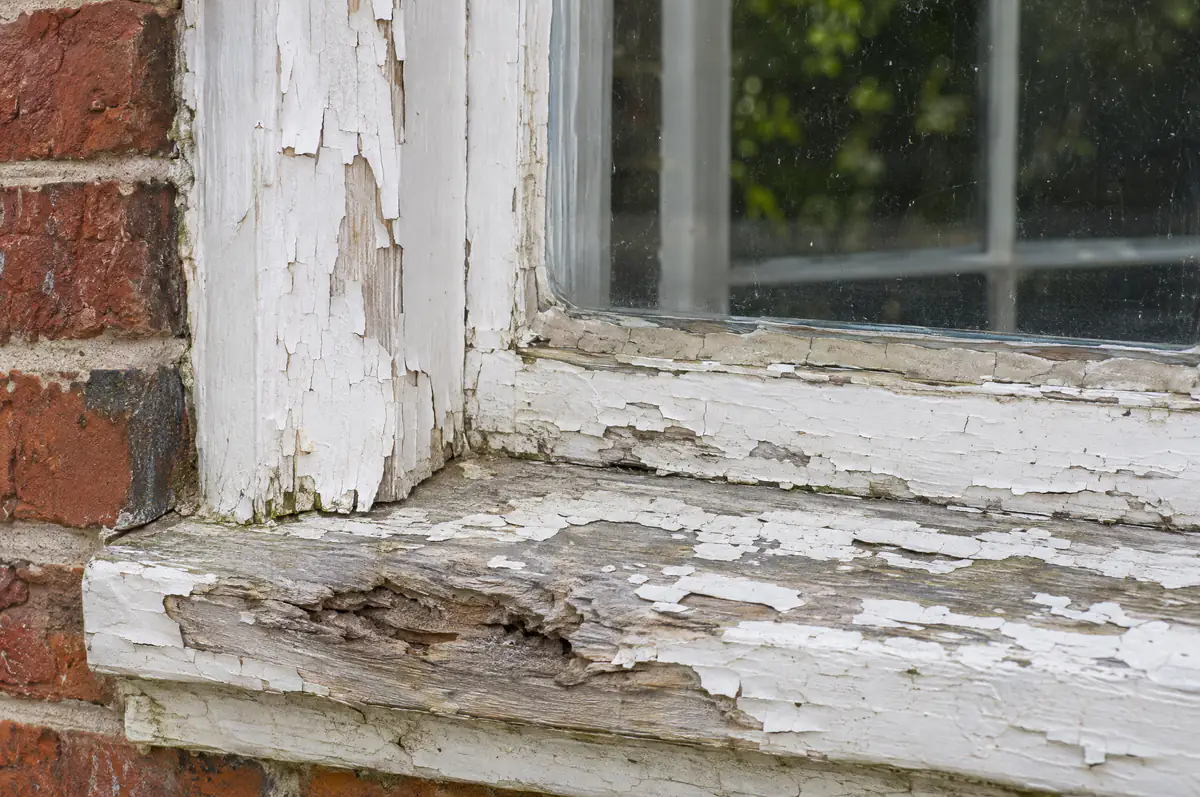
If your home was built before 1978, paying someone to replace or repair its windows is regulated work. Windows are one of the places lead-based paint matters most, because sashes rub against painted frames every time they open and close. This guide explains what the federal rules require, how they apply in Ohio, and what to ask any contractor before work begins.
It describes the rule; it isn’t a statement about any particular contractor’s credentials. Whoever you hire, ask to see the paperwork described below.
Why 1978, and why windows
In 1978 the federal government banned the sale of lead-based paint for use in homes and childcare facilities. The EPA notes that a home built before then is more likely to have lead-based paint, and the earlier it was built, the more likely. Worn lead paint is a particular concern on surfaces subject to constant friction, such as window sills and the channels a sash runs in, because friction turns paint into fine dust. Cutting, scraping and prying out an old window can spread that dust through a room.
Window replacement in Columbus, OH
New windows, from one opening to the whole house.
The RRP Rule in brief
The EPA’s Lead Renovation, Repair and Painting (RRP) Rule applies to renovations performed for compensation that disturb painted surfaces in homes, apartments and child-occupied facilities built before 1978. Its main requirements:
- Firm certification. Any firm paid to perform work that disturbs paint in covered housing must be certified, including sole proprietors.
- A certified renovator. A certified renovator, trained by an EPA-accredited training provider, must be assigned to the job, and the other workers must be trained in the required work practices by a certified renovator.
- Work practices. Containment, restricted methods, cleanup and verification, described below.
- Information and records. A pamphlet before work and a record of compliance after.
Window replacement is never “minor repair”
The rule exempts minor repair and maintenance that disturbs six square feet or less of paint per room inside, or 20 square feet or less outside. That exemption does not apply to window replacement. The rule’s definition of minor repair and maintenance excludes any work involving window replacement or demolition of painted surface areas, regardless of square footage, so a paid window replacement in a pre-1978 home is covered unless testing has shown the paint is free of lead-based paint.
How it works in Ohio
Some states run their own EPA-authorized RRP programs. Ohio is not among them, so in Ohio the federal rule applies and the EPA administers it. Lead abatement, work designed to permanently eliminate lead hazards, is a separate discipline; in Ohio, abatement contractors are licensed by the Ohio Department of Health. When the goal is to permanently eliminate lead hazards, for example in response to a lead hazard order, the job calls for a licensed abatement contractor; a routine window replacement is renovation work under the RRP Rule.
What lead-safe window work looks like
Before work starts
No more than 60 days before beginning, the firm must give the owner the EPA pamphlet The Lead-Safe Certified Guide to Renovate Right and get a written acknowledgment, or a certificate of mailing at least seven days before work. If the owner doesn’t live in the unit, an adult occupant gets the pamphlet too.
Setting up
- Signs mark the work area and warn people to stay out until cleanup is verified.
- Inside, the work area is sealed off, with floor covering extending six feet beyond the surfaces being worked on, or farther if needed to contain dust.
- Outside, doors and windows within 20 feet of the work are closed, and ground covering extends ten feet beyond the work, or farther if needed to catch debris.
During the work
Some methods are off-limits on painted surfaces:
- Open-flame burning or torching of paint is prohibited.
- Sanders, grinders and similar high-speed tools are barred unless they have shrouds or containment and a HEPA vacuum attachment collecting dust where it’s made.
- Heat guns may be used only below 1,100 degrees Fahrenheit.
Cleanup and verification
After the work, the area is cleaned until no dust, debris or residue remains, working from higher surfaces to lower ones with HEPA vacuuming and wet wiping. Then a certified renovator verifies the cleaning. Inside, that means a visual check followed by wiping window sills and uncarpeted floors and countertops with a damp disposable cloth and comparing it to an EPA cleaning verification card, re-cleaning any section that fails. Outside, it’s a visual inspection of the work area, sills and ground. Warning signs come down only after the area passes.
After the job
The firm must give the owner information showing how it complied with the rule when the final invoice is delivered or within 30 days of completion, whichever comes first, and keep its compliance records for three years.
Is there lead paint on my windows?
A certified renovator can test painted surfaces with an EPA-recognized test kit or by sending paint chip samples to a lab. Only certified lead-based paint inspectors or risk assessors may use X-ray fluorescence (XRF) instruments. If a qualified test shows the surfaces being disturbed are free of lead-based paint, the RRP work practices don’t apply to that work. Without a test, a contractor working in a pre-1978 home should treat the paint as if it contains lead.
Questions to ask any contractor
- Is your firm EPA-certified under the RRP Rule? Can I see the firm certificate?
- Who is the certified renovator assigned to my job, and can I see that person’s certificate?
- When will I receive the Renovate Right pamphlet, and what will I sign?
- How will you contain the work area inside and outside the house?
- Which tools will you use to remove the old windows and trim, and how will dust be collected?
- How will you clean up, and how will cleaning be verified before my family uses the room?
- What compliance information will I receive when the job is done?
- Will you test the paint first, and if so, how?
Before any contractor, A1 Windows included, disturbs paint in a pre-1978 home, those questions deserve clear answers in writing.
Repair, replacement and old windows
The rule covers repair work that disturbs more than the minor-repair amounts, as well as all replacement. If you’re weighing whether to restore original wood windows or replace them, both paths involve painted surfaces. Our guides on signs it’s time to replace and insert vs. full-frame replacement can help with the decision itself.
To talk through a project in an older home, call or text (614) 333-6302 or book online. A1 Windows looks at the windows before quoting, and you see the price before work starts. More on our window replacement and wood window repair pages.
Frequently asked questions
Does the RRP Rule apply if I do the work myself?
The RRP Rule applies to work done for compensation, so homeowners working on their own homes aren’t covered by its certification requirements. The health risks are the same, though, and the EPA’s Renovate Right pamphlet describes lead-safe practices for anyone disturbing old paint.
How can I check whether a firm is EPA-certified?
Ask to see the firm’s EPA certificate, and use the EPA’s online search for certified renovation firms to confirm it. Check the certified renovator’s individual certificate as well, since firm certification and renovator certification are separate.
What should I do with children and pets during window work in an older home?
Keep them out of the work area entirely until cleaning verification is complete and the warning signs are down. For a larger job, some families plan to be away during the work. Pregnant women and young children are the most vulnerable to lead exposure.
Does the rule apply to a rental property I own?
Yes. The RRP Rule covers pre-1978 rental housing, and when the owner doesn’t live in the unit, the firm must also give the Renovate Right pamphlet to an adult occupant before work starts.
Call or text · Columbus, OH
Need window replacement?
(614) 333-6302- We measure before we quote
- Columbus-based · 55-mile service area
More guides
All guides
Windows in Columbus Historic Districts: How Repair-First Works
If your house is in one of Columbus’s historic districts, changes to the outside of it, windows included, go through the city’s historic review process. The process favors keeping and repairing original windows, but it also has a clear path to replacement when repair is no longer practical.
How Window Replacement Works, From Measuring to Install Day
Window replacement looks simple from the outside: old window out, new window in. The parts that decide how it turns out happen before install day, when the openings are measured, the method is chosen and the order is written.
Basement Egress Windows in Ohio: What the Code Requires
If you’re turning part of a basement into a bedroom, the window is not a finishing detail. Under the Residential Code of Ohio, every sleeping room needs a way out that doesn’t depend on the stairs, and the rules for that opening are specific.