Homeowner guide · Glass replacement
Tempered, Laminated or Annealed: Window Glass Explained
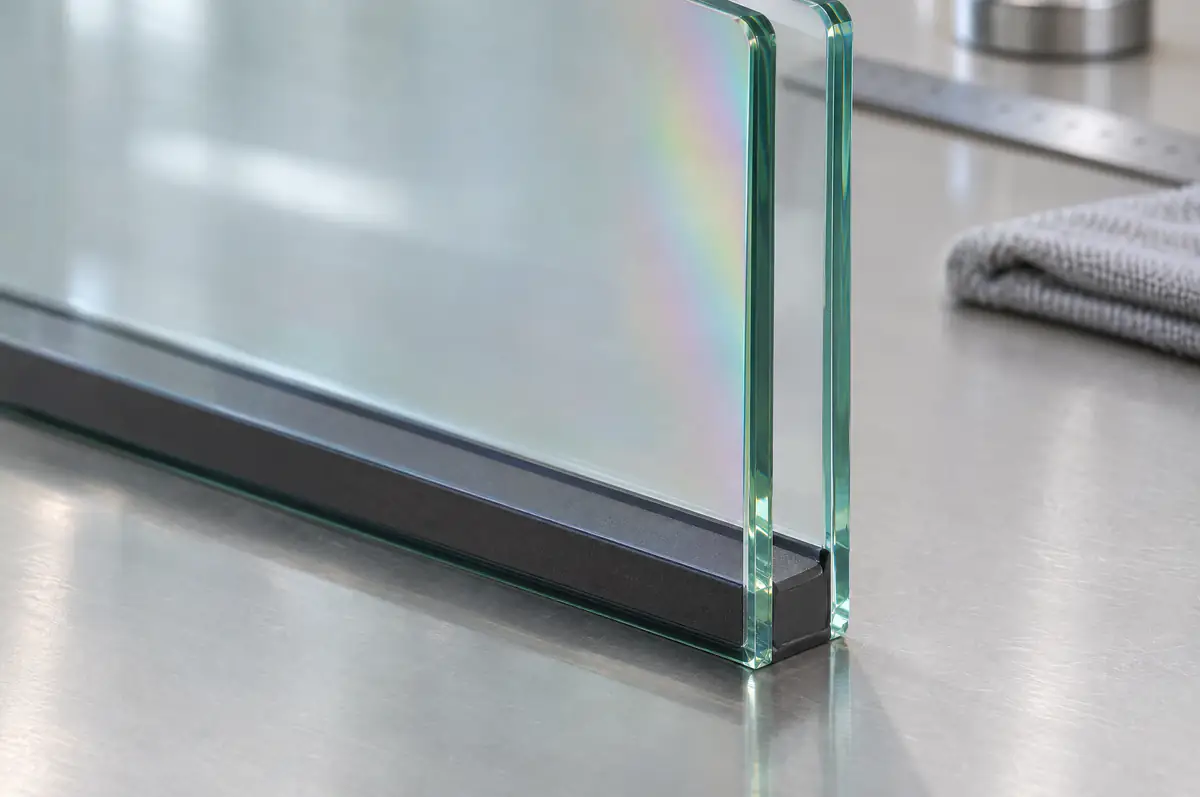
Ordinary window glass, tempered glass and laminated glass can look identical in a frame. The difference shows up the moment one of them breaks, and that is exactly why building codes care which one is where. If you are replacing a broken or foggy pane, it helps to know what you have and what the opening calls for.
The three types at a glance
| Annealed | Tempered | Laminated | |
|---|---|---|---|
| How it’s made | Cooled slowly after forming; ordinary “float” glass | Heated and then cooled rapidly, which locks the surfaces in compression | Two or more layers of glass fused to a plastic interlayer |
| Strength | Baseline | Several times stronger than annealed glass of the same thickness | Depends on the glass used; the interlayer is what matters |
| How it breaks | Long, sharp shards | All at once, into small blunt pieces | Cracks, but the pieces stay stuck to the interlayer |
| Can it be cut after it’s made? | Yes | No; it must be cut and drilled before tempering | Yes, with care |
| Typical use in homes | Most windows away from doors, tubs, stairs and floors | Doors, sidelights, tub and shower areas, low and large panes | Where holding together matters: noise, security, overhead glass |
Window glass replacement in Columbus, OH
Cracked or broken pane? New glass in your frame.
Annealed glass
This is the standard glass in most windows. It is clear, flat, easy to cut and inexpensive. Its weakness is how it fails: it breaks into long, knife-like pieces. In most windows that’s an acceptable risk because nobody is likely to fall through them. In some spots it isn’t, and that is where safety glazing comes in.
Tempered glass
Tempering puts the outer surfaces of the glass into compression and the core into tension. The result is much stronger than annealed glass against impact and heat. When it does fail, the stored stress releases at once and the whole pane breaks into small, relatively blunt pieces.
Two practical consequences:
- It has to be made to size. Tempered glass can’t be cut, drilled or trimmed afterward, so a replacement pane is ordered to exact dimensions.
- It fails completely. A tempered pane doesn’t crack and stay put. If one pane of a double-pane unit is tempered and breaks, that pane collapses into fragments inside the frame.
Laminated glass
Laminated glass is a sandwich: glass, a tough plastic interlayer, glass. When it breaks, the fragments stay stuck to the interlayer, so the opening stays closed and the pieces don’t fall. Car windshields work this way. In a house, laminated glass is chosen for:
- Security, since the pane holds together and is slow to get through.
- Sound control, because the interlayer damps vibration; it is a common choice for windows facing busy roads.
- Fading, because the interlayer blocks much of the sun’s ultraviolet light.
Laminated glass also qualifies as safety glazing when it passes the same impact tests.
Where Ohio’s residential code calls for safety glass
The Residential Code of Ohio is based on the International Residential Code, and its safety-glazing rules sit in section R308. Glass in “hazardous locations” must be safety glazing that passes the impact tests named in the code (tempered and laminated glass are the usual choices). In plain terms, the hazardous locations are:
- Glass in doors of any kind: swinging, sliding or bifold, with narrow exceptions such as openings too small for a 3-inch sphere to pass through and decorative glass.
- Glass beside a door whose bottom edge is less than 60 inches above the floor and which is within 24 inches of either side of the door when closed, or on a perpendicular wall within 24 inches of the hinge side of an in-swinging door.
- Large, low windows that meet all four conditions: a single pane larger than 9 square feet, a bottom edge less than 18 inches above the floor, a top edge more than 36 inches above the floor, and a walking surface within 36 inches horizontally. A protective rail at the right height is one of the exceptions.
- Glass in guards and railings, regardless of size or height.
- Glass near wet areas: in walls or enclosures facing tubs, showers, hot tubs, saunas, steam rooms and pools, where the bottom edge is less than 60 inches above a standing or walking surface. Glass more than 60 inches horizontally from the water’s edge is exempt.
- Glass along stairways, landings and ramps with a bottom edge less than 36 inches above the walking surface, unless it is protected by a rail or set back 36 inches or more.
- Glass near the bottom of a stairway, less than 36 inches above the landing and within a 60-inch arc of the bottom tread’s nosing.
The code has more exceptions and details than fit here, and local building departments enforce it. Treat this list as a guide to which windows deserve a closer look, and check with your building department if a project depends on it.
How to tell what you have
- Look in the corners. With narrow exceptions, the code requires each pane of glazing in a hazardous location to carry a manufacturer’s designation that stays visible once installed, usually a small etched or sandblasted label in one corner, identifying who applied it, the type of glass and the safety standard it meets.
- Check the location. Glass in a door or next to a tub that was installed under a modern code is very likely to be safety glass.
- Look at the break. If it has already broken, the pattern tells you: shards (annealed), pebbles (tempered) or a cracked sheet held together (laminated).
Polarized sunglasses sometimes reveal faint stripes or spots in tempered glass from the cooling process, but that isn’t a reliable test, and some coatings hide it.
Replacing glass in one of those spots
If a broken or foggy pane sits in a hazardous location, replace it with safety glass even if what came out was ordinary glass. In a double-pane unit, both panes can be tempered, or one tempered and one laminated, depending on what the location and your goals call for. Our window glass replacement and foggy window repair pages explain how those jobs work, and if you are just dealing with a fresh break, start with what to do right after a window breaks.
Not sure whether a pane by your front door or tub needs safety glass? Ask when you call or text (614) 333-6302, or book online. A1 Windows, at 1221 Stimmel Rd in Columbus, replaces residential window glass for homes within about 55 miles, and we look at the opening before quoting so the replacement is ordered for that location. You see the price before any work starts.
Frequently asked questions
Can tempered glass break on its own?
Rarely, yes. Edge damage from handling or an impurity in the glass can release the stored stress without an obvious impact, and the whole pane breaks at once. It is uncommon in home windows, but it is the reason tempered panes should be handled and set carefully.
Does a bathroom window always need tempered glass?
Not always. It depends on how close the glass is to the tub or shower and how high its bottom edge sits above the standing surface. A small window high on a wall far from the tub may not qualify; one beside the tub at shoulder height usually does.
Is laminated glass harder to break than tempered glass?
Tempered glass resists impact better, but once it breaks the opening is open. Laminated glass may crack more easily, yet it stays in the frame and keeps the opening closed, which is why it is chosen for security.
Can tempered glass be cut down to fit a smaller frame?
No. Cutting or drilling tempered glass makes it shatter. A replacement pane has to be made to the exact size and then tempered.
Call or text · Columbus, OH
Need glass replacement?
(614) 333-6302- You see the price before work starts
- Columbus-based · 55-mile service area
More guides
All guides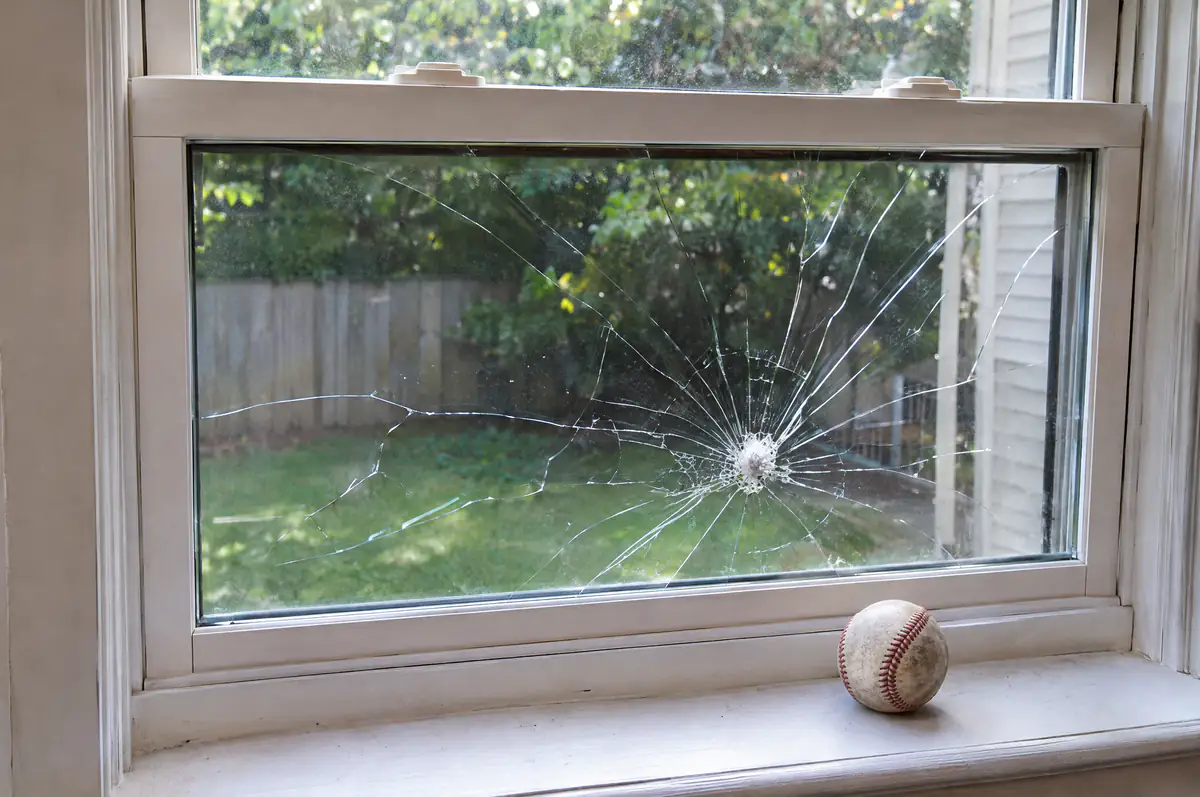
A Window Just Broke: What to Do in the First Hour
Broken glass is a safety problem before it is a repair problem. Deal with people, pets and loose shards first; the window can wait a few minutes.
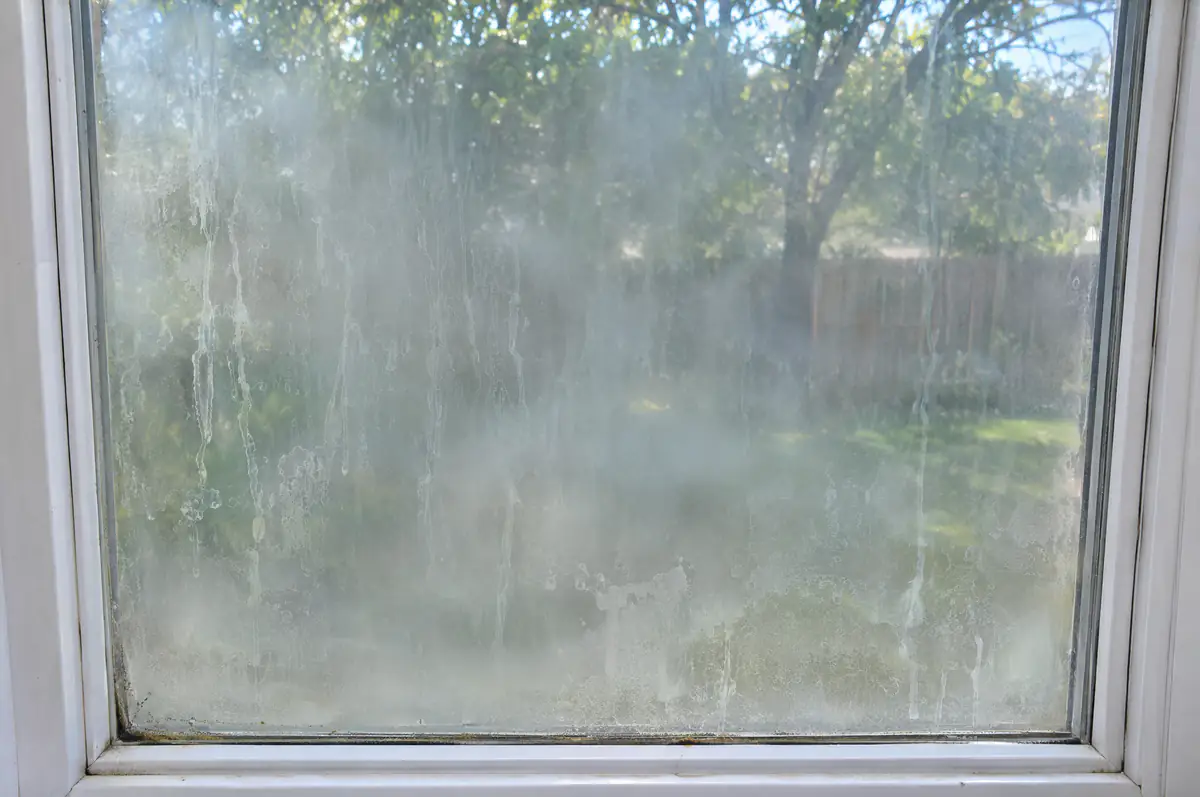
Fog Between Window Panes: What a Failed Seal Means
When you can’t wipe the haze away from either side, the moisture is inside the sealed glass unit. That is what window people mean by a failed seal.
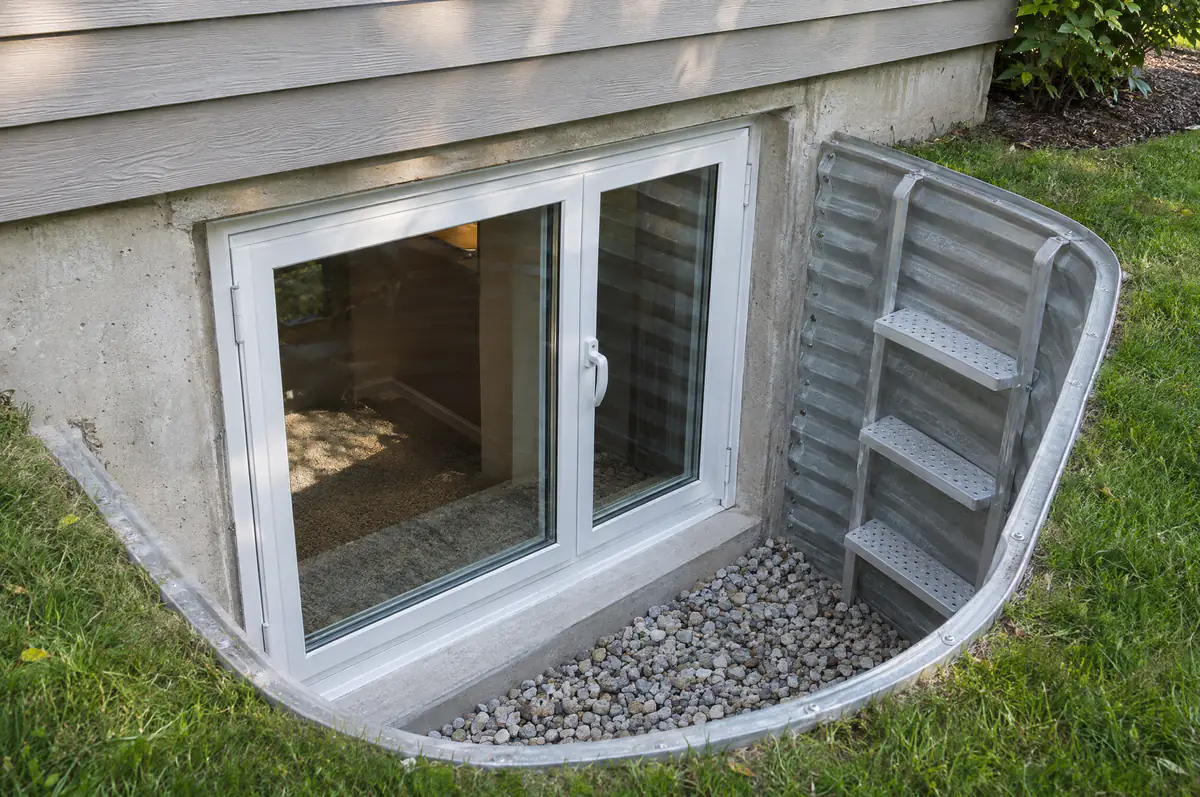
Basement Egress Windows in Ohio: What the Code Requires
If you’re turning part of a basement into a bedroom, the window is not a finishing detail. Under the Residential Code of Ohio, every sleeping room needs a way out that doesn’t depend on the stairs, and the rules for that opening are specific.